Full Program

Full Program

Full Convention available for up to 2.3 ASHA CEUs with or without Supervision course, Content Area 1, Content Area 2, and/or Medical Errors. 

Culture, Language, and Identity in Education Training, Service Delivery, and Practice Management (Content Area 2 for ASHA CCC Maintenance) offered in person available for .20 ASHA CEUs

Content Area 1-Ethics offered in person available for .10 ASHA CEUs

Supervision offered in person available for .20 ASHA CEUs

Medical Errors offered in person available for .20 ASHA CEUs

2026 Virtual Convention is offered asynchronously for 1.55 ASHA CEUs(this does not include the cultural awareness course or ethics courses)

Culture, Language, and Identity in Education Training, Service Delivery, and Practice Management (Content Area 2 for ASHA CCC Maintenance) offered virtually asynchronously for .25 ASHA CEUs

Content Area 1-Ethics offered asynchronously available for .10 ASHA CEUs

Satisfactory Completion: All participants must complete sessions in full, complete a self-reflection on learning outcomes, and a feedback survey form for both in person and/or virtual convention session components. Partial credit for the FLASHA Convention and FLASHA Virtual Convention will be available for sessions completed in their entirety. 

Agenda

time icon07/09/2026 09:15 am to
11:15 am

Cultural Responsiveness Rebooted: Evolution, Connection, and the Age of AI

Oceana A

This session explores the evolution of cultural competence, humility, and responsiveness in the field of CSD. Through storytelling, case examples, and discussion, participants will analyze real-world applications and consider the next phase of service delivery that includes culturally responsive patient care and algorithmic fairness in tech-driven clinical practice environments.

Learning Objectives:

  • Define cultural competence, cultural humility, and cultural responsiveness, and explain their evolution within the context of communication sciences and disorders.
  • Analyze how artificial intelligence and digital technologies influence the practice of cultural responsiveness and ethical decision-making.
  • Describe strategies for sustaining empathy, inclusion, and equitable communication in technology-mediated clinical and educational settings.
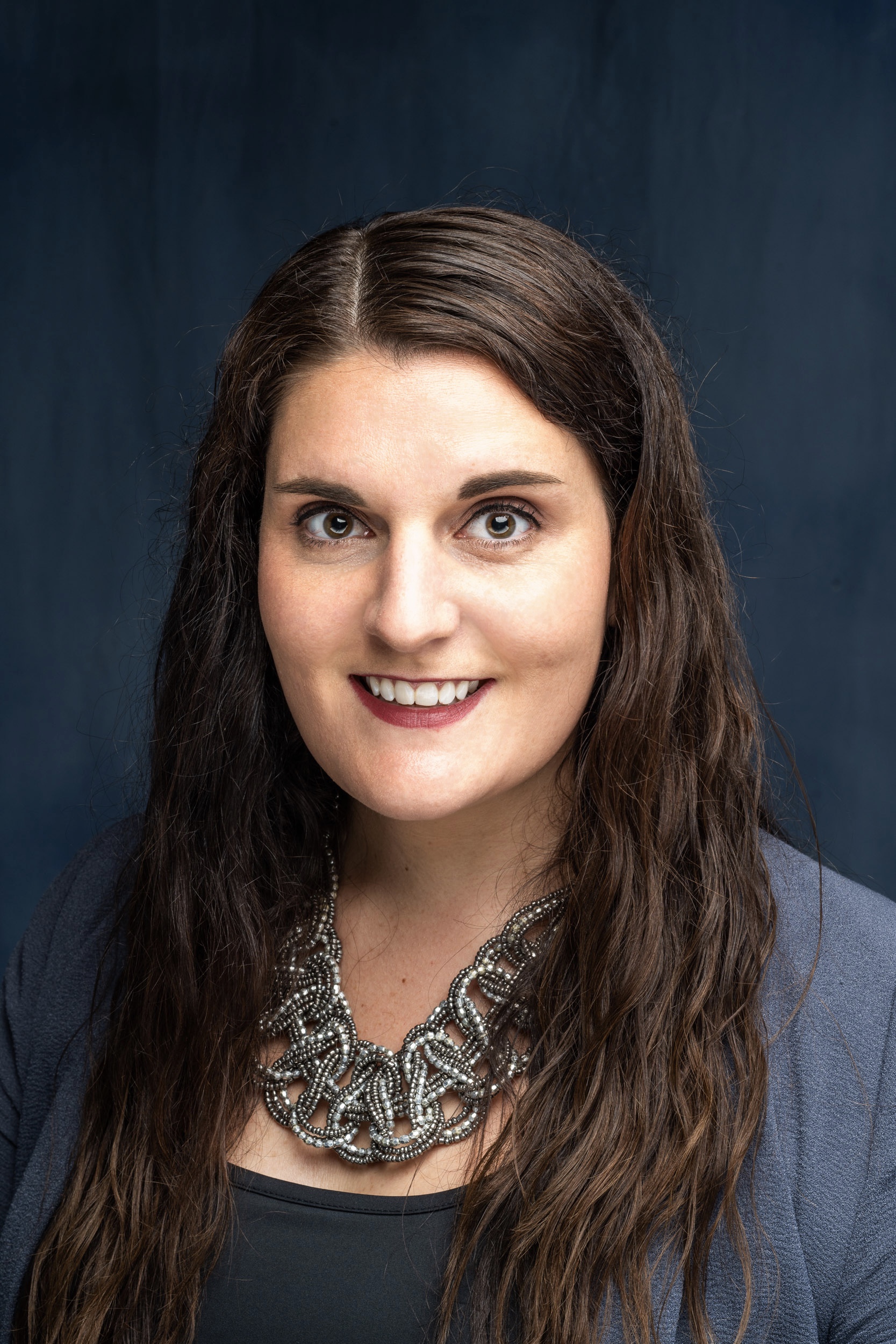
speaker headshot Rachel Williams
Ph.D, CCC-SLP
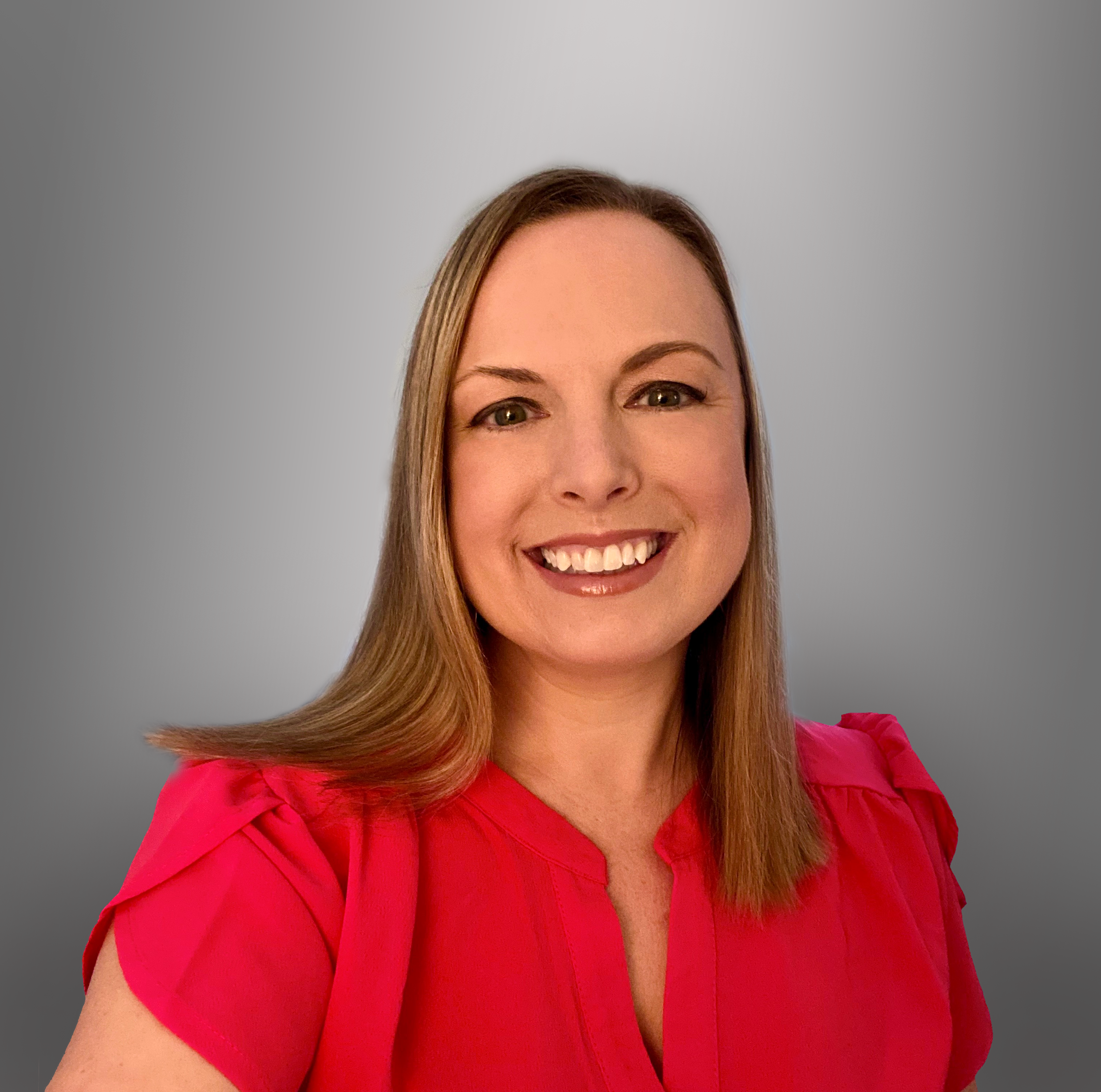
speaker headshot Rita Lenhardt
other,DHSc, CCC-SLP
time icon07/09/2026 09:15 am to
10:15 am

Exploring Hearing Health Through a Research Round Robin: Clinical, Cognitive, Educational, and Patient‑Centered Findings

Coral B

This session presents four interconnected research projects advancing

understanding of hearing health across diverse populations. Topics include hearing loss and awareness among breast cancer survivors, cognitive and attentional effects of misophonic triggers and association with audiological outcomes, health literacy challenges in cochlear

implant educational materials, and gaps in undergraduate audiology curricula. Together, these studies highlight critical barriers to effective hearing care and propose evidence-based strategies to improve patient education, clinical outcomes, and professional preparation.

Learning Objectives:

  • Recognize hearing health challenges faced by breast cancer survivors and cochlear implant recipients.
  • Explain how misophonia affects cognitive function and its connection to audiological outcomes.

  • Identify gaps in hearing healthcare education for both patients and audiology students.
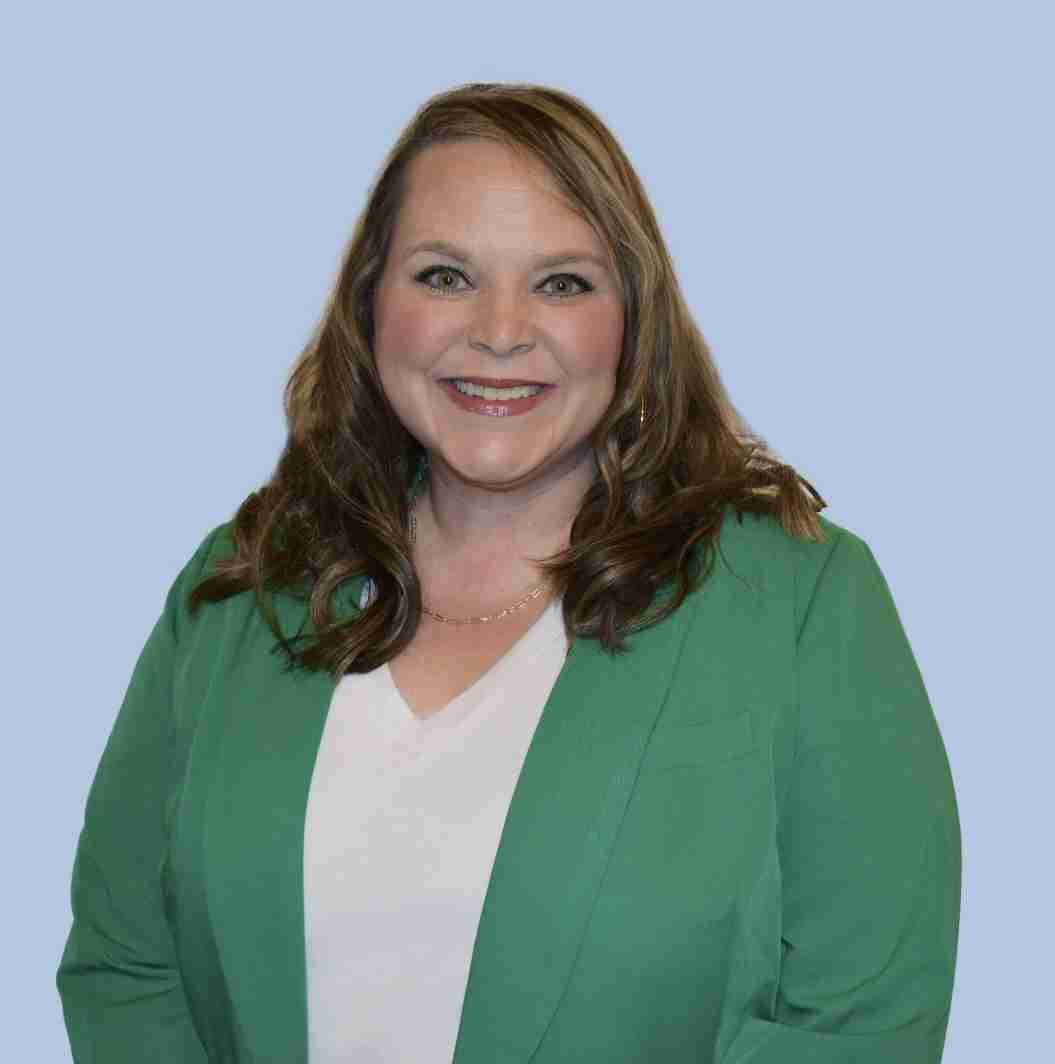
speaker headshot Kimberly Ward
Au.D, CCC-A
time icon07/09/2026 01:00 pm to
02:30 pm

Will My Child With Autism Ever Talk? Helping My Child Climb the Language Mountain

Coral DE

Nearly 40% of children with ASD are nonverbal, making “Will my child ever talk?” one of the most common questions parents ask. This session examines language development in ASD through a developmental framework, using evidence-based intervention practices and parent consultation summaries to guide meaningful, research-informed answers.

Learning Objectives:

  • Examine language development of children with autism
  • Define the steps of the language mountain
  • Apply early intervention strategies using the PLAY Project model to facilitate language acquisition and communication skills
speaker headshot Sheryl Rosin
PhD., CCC-SLP
time icon07/09/2026 01:15 pm to
02:15 pm

Examining Implicit Bias in Speech Language Hearing Sciences

Oceana A

Bias plays a significant role in how communication disorders are identified, interpreted, and treated across healthcare and educational settings. This presentation explores how identity, culture, and intersectionality shape our perceptions as clinicians and influence the therapeutic experiences of the individuals and families we serve.

Learning Objectives:

  • Ways bias, microaggressions, and intersectionality can influence the assessment and treatment of communication disorders across diverse clinical settings.
  • Real-world case scenarios to recognize how identity factors—such as race, culture, gender identity, disability, and linguistic background—shape clinician perspectives and client experiences.
  • Evidence-based strategies, including stereotype replacement and counter-stereotype imaging, to reduce bias and promote equitable, culturally responsive practices in healthcare and educational environments.
speaker headshot Shontaye Glover Jones
MS, CCC-SLP
time icon07/09/2026 02:45 pm to
04:15 pm

Best Practices for SLPs within the MTSS Framework

Coral C

Within this session, learners will gain a clear understanding of the Multi-Tiered System of Supports and how they can directly function with success to ensure student needs are met while also collaborating directly with teachers and service providers within a larger system as a whole.

Learning Objectives:
  • Identify the Systematic Components of the Multi-Tiered System of Supports on School Campuses
  • Integrate Service Delivery Models and Practices within the Multi-Tiered System of Support to Enhance Process and Practice
  • Describe next Steps of Support to Apply to their practice individually and within problem solving teams for success
speaker headshot Bryan Russell
other,M.Ed
time icon07/09/2026 02:45 pm to
04:15 pm

There's A Spreadsheet For That

Oceana A

Speech-language pathologists and audiologists manage complex clinical, administrative, and personal demands. This engaging session demonstrates how purpose-built spreadsheets can reduce stress, improve organization, and increase efficiency. Real-time examples will be demonstrated, including IEP caseload tracking, therapy planning, data collection, budget tracking, and life organization. Participants will also explore how AI tools can be used to quickly create, customize, and automate spreadsheets to support clinical, educational, and professional workflows.

Learning Objectives:
  • Identify at least three ways spreadsheets can streamline clinical, administrative, and personal workflows for SLPs and audiologists.
  • Demonstrate how AI tools can be used to create, customize, and optimize spreadsheet templates.
  • Apply spreadsheet strategies to reduce cognitive load, improve organization, and support data-driven decision making.
speaker headshot Lyndsey Zurawski
SLP.D, CCC-SLP
time icon07/09/2026 04:00 pm to
05:30 pm

The Long Game: What 10+ Years Taught Me About Building a Practice Worth Having

Coral B

Building a profitable and sustainable speech-language practice requires more than clinical excellence — it requires business strategy. Drawing from 10+ years of real-world experience, this session explores the financial, operational, and leadership decisions that separate thriving practices from struggling ones, including practical AI tools that are changing how practice owners work.

Learning Objectives:

  • Identify the mindset shifts that separate a profitable, sustainable speech-language practice
  • Name the AI tools that can streamline operations, reduce administrative burden, and support business growth in a speech-language practice.
  • Implement at least one financial, operational, or team building strategy to move their practice to the next level.
speaker headshot Hasina Echoles
MS, CCC-SLP
time icon07/09/2026 04:30 pm to
05:30 pm

Feeding the Medically Complex Child

Oceana A

Children with complex medical conditions are at significantly elevated risk for developing pediatric feeding and swallowing disorders (PFDs), yet early identification and coordinated intervention remain inconsistent across care settings. This presentation will explore the multifactorial nature of feeding challenges in medically fragile populations.

Learning Objectives:

  • Identify key medical, psychosocial, and developmental factors that contribute to the development of pediatric feeding disorders.
  • Describe components of a comprehensive, interdisciplinary feeding and swallowing assessment for medically fragile infants and children.
  • Apply evidence-based, family-centered strategies to support safe feeding progression and prevent long-term feeding dysfunction.
speaker headshot Jenna Nassar
MS, CCC-SLP, BCS-S
time icon07/09/2026 06:30 pm to
07:30 pm

ASHA Advocacy in Action

Oceana A

This session provides a clear, engaging overview of ASHA’s 2026 Public Policy Agenda (PPA), highlighting how member input shapes advocacy priorities in payment and coverage, service delivery and access, and workforce needs. Participants will learn how ASHA develops the PPA,

the coordinated strategies used to advance policy change, and the essential role members play in successful advocacy. The session also outlines opportunities for involvement, including grassroots action and ASHAPAC engagement.

Learning Objectives:

  • Describe the purpose, structure, and development process of ASHA’s Public Policy Agenda.
  • Identify key 2026 advocacy priorities across payment, service delivery, and workforce areas.
  • Explain how members can effectively participate in advocacy efforts at the state and federal levels.
speaker headshot Kimberly Ward
Au.D, CCC-A
time icon07/10/2026 08:00 am to
09:30 am

Project WILLD: Writing in students with language-based learning disabilities

Coral DE

Project WILLD (Writing in students with language-based learning disabilities [LLD]), is an intervention developed by the authors to support students with LLD improve writing skills through metacognitive and metalinguistic strategies. This presentation reports on the first iterations of development including a pilot study that was a randomized controlled trial.

Learning Objectives:
  • Describe the iterative process for development the intervention
  • Explain the fully developed intervention and how it can be used by practitioners in authentic educational settings
  • Contrast student and educator outcomes within and across studies
speaker headshot Anthony Koutsoftas
Ph.D, CCC-SLP
speaker headshot Cynthia Puranik
Ph.D, CCC-SLP
time icon07/10/2026 08:00 am to
09:30 am

Beyond the Ear: Visualizing Speech Movements with Ultrasound Visual Feedback

Oceana A

Traditional speech assessment and intervention rely heavily on auditory and perceptual judgment—listening “beyond the ear” has long been a clinical challenge. Ultrasound Visual Feedback (UVF) technology now allows clinicians to visualize the often-invisible movements of the tongue during speech production, offering a powerful window into articulatory behavior. This presentation explores

Learning Objectives:
  • Describe the fundamental principles of ultrasound imaging and identify key articulatory landmarks used in visualizing tongue movement during speech production.
  • Analyze and interpret ultrasound tongue images to distinguish typical and atypical articulatory patterns associated with speech sound disorders.
  • Apply ultrasound visual feedback techniques to develop evidence-based intervention strategies for clients with persistent speech sound errors (e.g., rhotics, distortions).
speaker headshot Jianwen Crump
ED.D, CCC-SLP
time icon07/10/2026 10:00 am to
11:30 am

If I Only Had the Words to Tell You

Oceana A

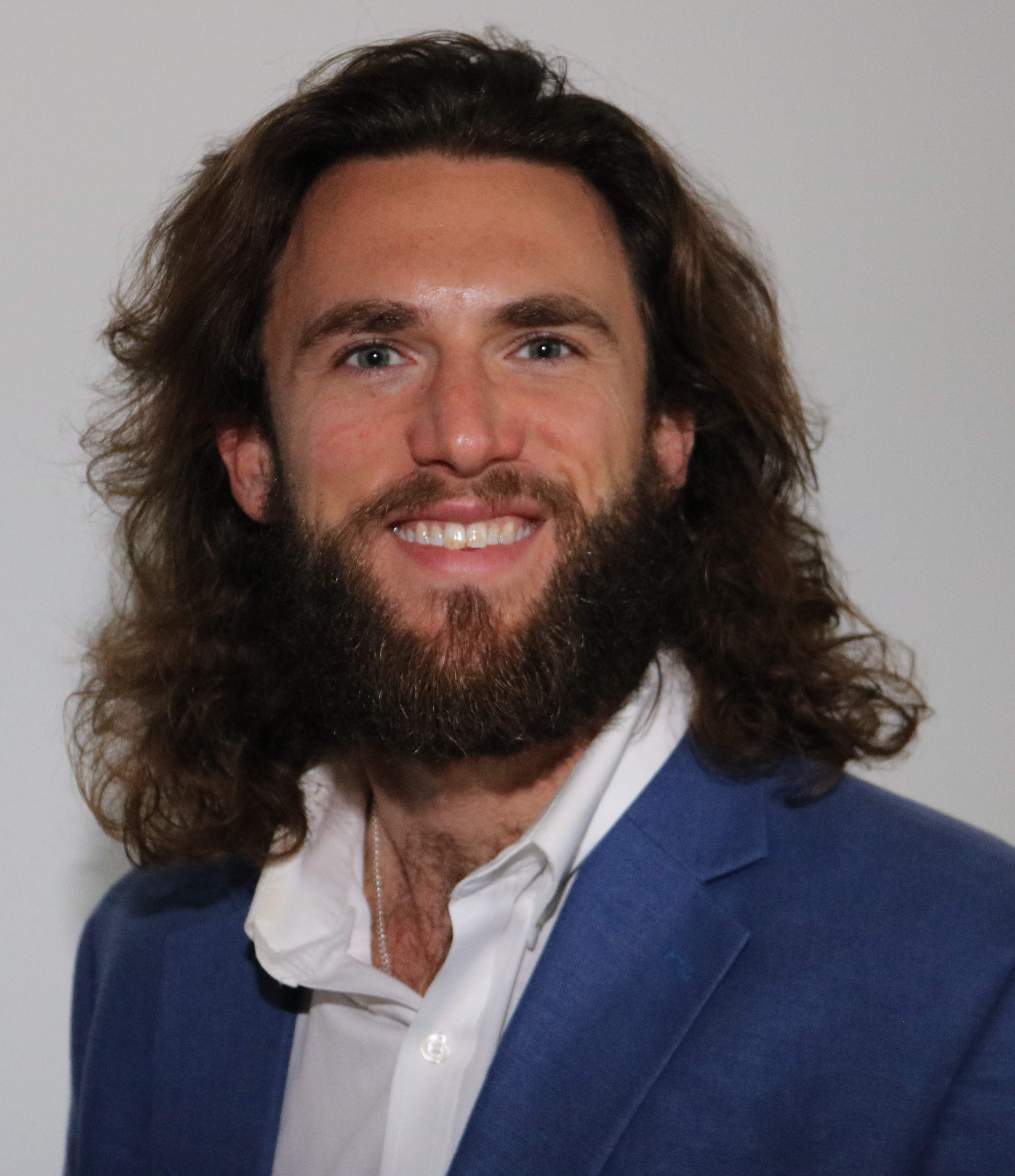
“If I Only Had the Words to Tell You” is a self-penned speech chronicling my life growing up with a stutter. Going past the contents of the speech, my presentation will include further personal anecdotes, as well as testimonials, reflecting on various elements and influences on my fluency journey.

Learning Objectives:
  • Describe the trials and tribulations of a life-long stutter 
  • Explain ways to overcome a stutter using "triggering" situations to encourage practicing fluency in more difficult circumstances.
  • identify steps to work with patients who stutter
speaker headshot Dennis Szymanski
other,Ph.D. - Materials Science and Engineering & Person Who Stutters
time icon07/10/2026 11:45 am to
12:45 pm

Exploring Social Media Ethics Through a Professional Lens

Oceana A

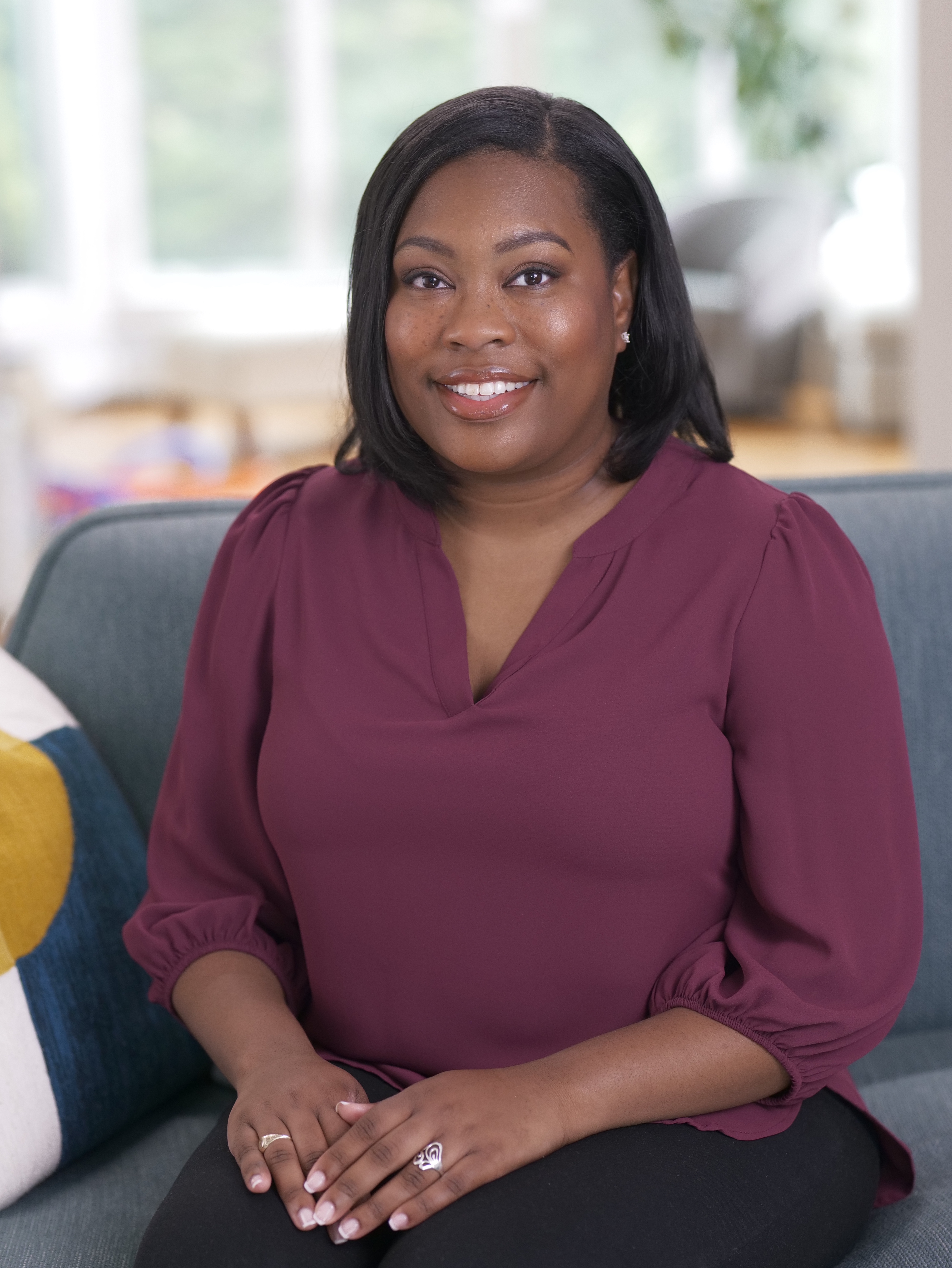
There is an increase of professionals on social media to learn how to become better professionals and build community. A rising professional presence on social media requires examination from professionals. Professionals must navigate as informed consumers, balancing growth and community with a cautious eye on social media's professional impacts.

Learning Objectives:
  • List potential ethical violations that can occur on social media.
  • Describe the pros and cons of SLPs engaging on social media platforms.
  • Explain ways to use social media to advance client care.
speaker headshot Sydney Bassard
other,MSP, CCC-SLP
time icon07/10/2026 02:15 pm to
04:15 pm

Stuttering as Verbal Diversity: SLP Roles in Stutter-Affirming Therapy

Oceana A

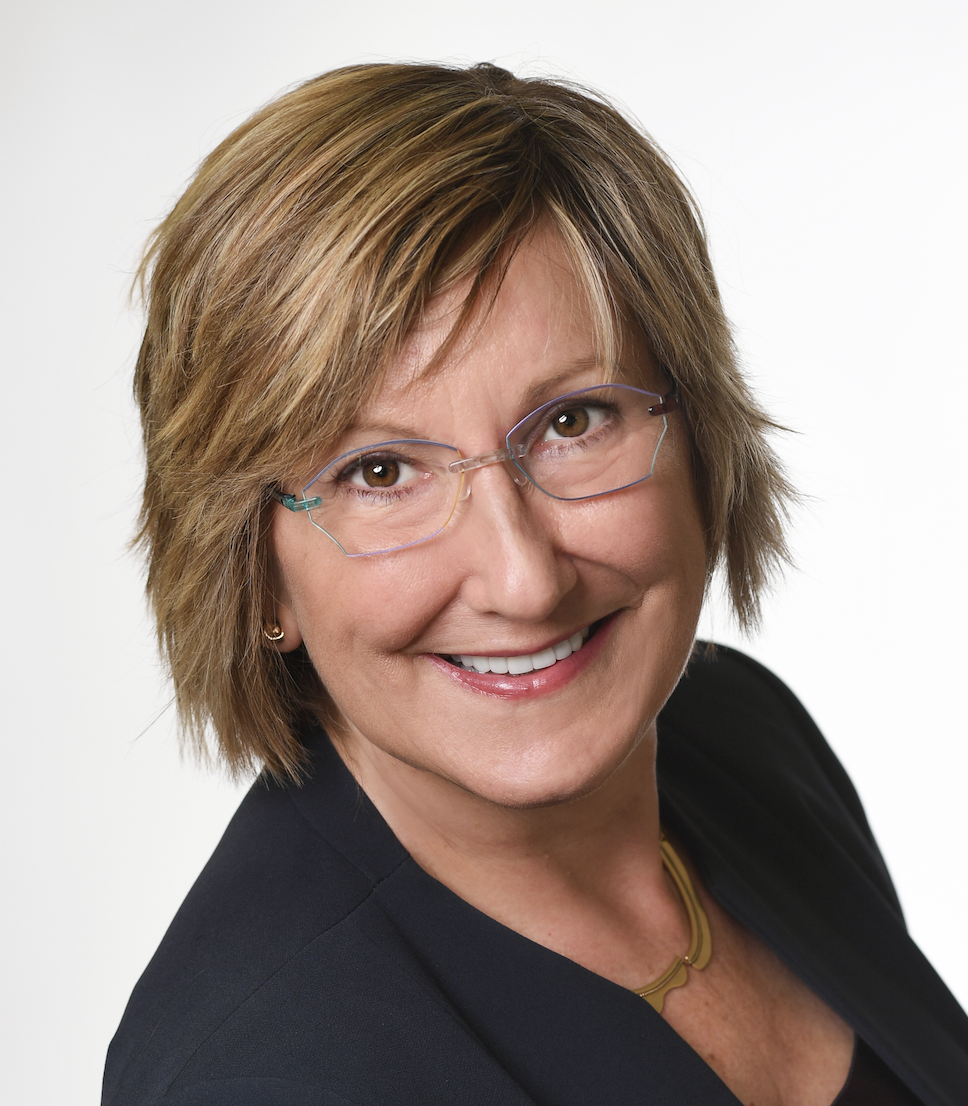
As our profession shifts to neurodiversity-affirming therapy in all aspects of clinical practice, many SLPs feel confused about changes in their roles for providing appropriate stuttering therapy. This presentation will end confusion by providing guidance regarding emerging SLP roles and practices that will focus on successful communication rather than fluency.

Learning Objectives:
  • Define the concept of stuttering as verbal diversity and how this mindset shift sets the stage for stutter-affirming practices
  • Describe SLP roles in creating client-centered goals
  • List 3 benefits of stutter-affirming therapy
speaker headshot Nina Reeves
MS, CCC-SLP, BCS-SCF, F-ASHA
time icon07/10/2026 04:45 pm to
05:45 pm

Stuttering Panel

Have you ever had a question for a person who stutters and/or a speech pathogist who is an expert on stuttering? Have you wanted a glimpse into the mind and life of a stutterer? This panel will help elucidate those questions, and so many more!

Learning Objectives:

  • Explore relationships with those that stutter
  • Compare and contrast views of both people who stutter and pathologists/experts in the field of stuttering. 
  • Explain how to challenge the stigma of stuttering 
speaker headshot Dennis Szymanski
other,Ph.D. - Materials Science and Engineering & Person Who Stutters
time icon07/11/2026 08:30 am to
09:30 am

Using Books to Target Communication Goals in Therapy

Oceana A

This session equips SLPs with practical strategies for using inclusive children's books to target communication goals. Attendees will learn to write functional, measurable goals, design integrated activities, and collect meaningful data- all while delivering engaging literacy-based intervention.

Learning Objectives:

  • List the components and research-based benefits of the Literacy-Based Therapy framework for targeting speech, language, and social communication skills.
  • Identify books that are developmentally appropriate and goal-aligned, while considering factors such as diversity, engagement, thematic relevance, and linguistic complexity.
  • Demonstrate how to develop therapy sessions using literacy-based intervention, including writing functional and measurable goals, planning aligned activities, and collecting data to monitor progress across sessions.
speaker headshot Shontaye Glover Jones
MS, CCC-SLP
time icon07/11/2026 09:40 am to
10:40 am

Elevating Our School-Based Assessments in Today's World

Oceana A

Learn how to streamline and strengthen your school-based speech-language assessments. This session covers informal tools, culturally responsive practices, and legally sound documentation strategies—empowering SLPs to assess with confidence, accuracy, and clarity.

Learning Objectives:

  • Identify three ways to write more defensible and team-friendly evaluation summaries.
  • Describe how to align assessments with IDEA requirements and best practices.
  • Explain how to be culturally responsive when assessing diverse learners.
speaker headshot Sydney Bassard
other,MSP, CCC-SLP
time icon07/11/2026 11:05 am to
12:35 pm

Ethical AAC Decision-Making in Real Classrooms

Oceana A

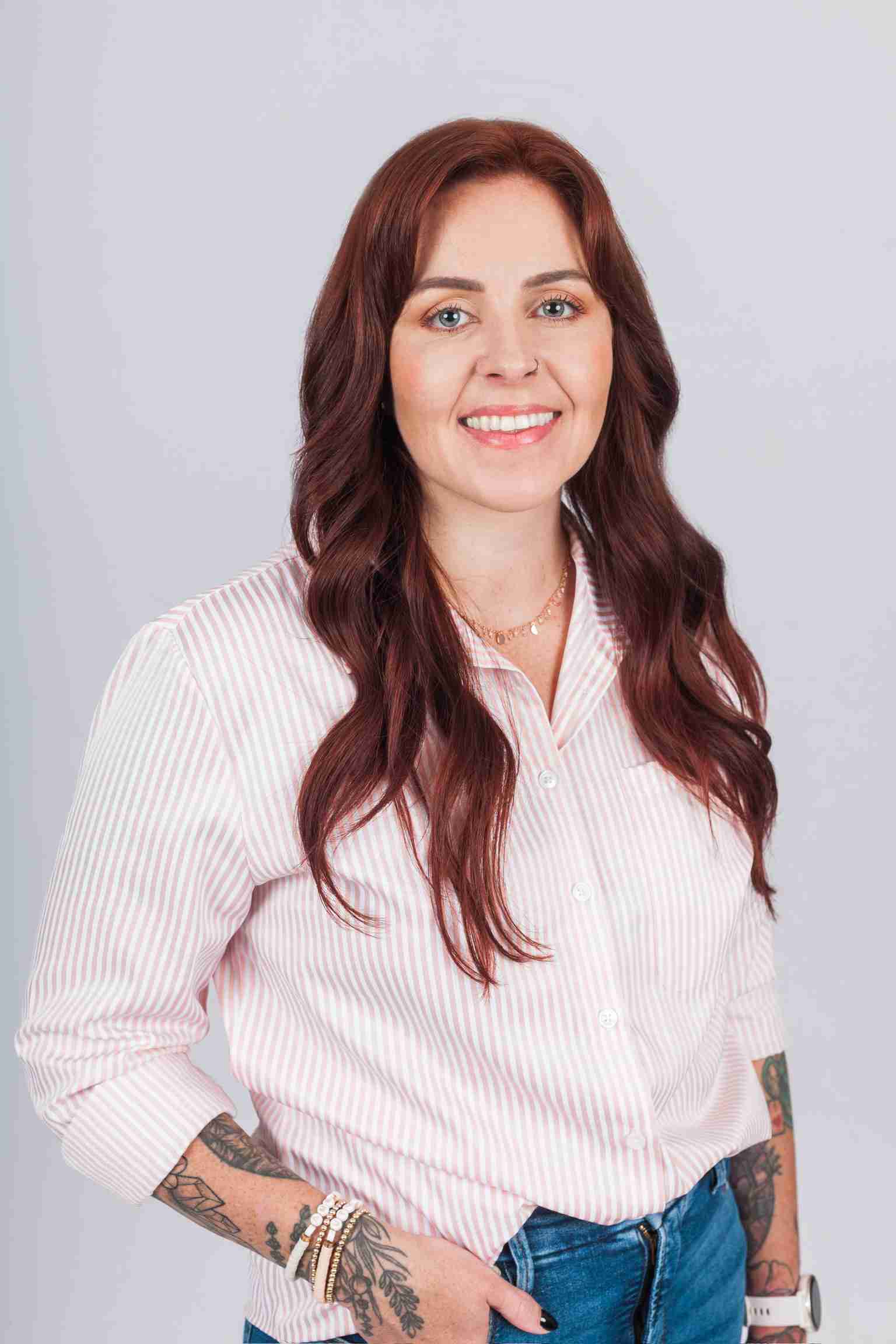
AAC implementation in schools requires more than providing devices. This session examines real classroom decision-making and challenges “always” and “never” thinking in AAC practice. Through practical examples, participants will explore how modeling, scaffolding, and collaborative problem-solving support communication outcomes while protecting long-term access.

Learning Objectives:
  • Differentiate between AAC access as a device and AAC access as a system of support by identifying at least three instructional components necessary for effective AAC implementation in school settings.
  • Analyze common classroom AAC challenges (e.g., repetitive use, limited engagement, team pressure to restrict access) and select appropriate, ethical response strategies based on learner needs and AAC competency frameworks.
  • Apply a structured decision-making framework to determine when AAC scaffolding or instructional adjustments are warranted while preserving learner autonomy and long-term communication access.
speaker headshot Alyssa Croll
M.S., CCC-SLP
time icon07/11/2026 02:00 pm to
04:00 pm

Bridging the Gap: Supervising the Next Generation of Speech Pathology Students

Oceana A

This lecture explores best practices in supervising speech pathology students, with a focus on fostering clinical competence, confidence, and professional identity. Participants will examine practical frameworks for delivering constructive feedback, structuring supervision sessions, and adapting their approach to different learner levels. Emphasis is placed on balancing student support with client outcomes, navigating common challenges, and promoting reflective practice. Attendees will leave with actionable tools to enhance their effectiveness as clinical educators in a variety of speech-language pathology settings.

Learning Objectives:

  • Identify 3 key components of effective clinical supervision in speech-language pathology, including feedback, goal-setting, and performance evaluation.

  • Identify evidence-based strategies to support student learning, clinical reasoning, and professional development across settings.

  • State at least 2 different supervision approaches to meet the needs of diverse learners while maintaining client care quality and ethical standards.

speaker headshot Jenna Nassar
MS, CCC-SLP, BCS-S
time icon07/09/2026 08:00 am to
09:00 am

Exploring Language Comprehension Curriculum Implementation for SLPs Serving Elementary Students

Coral C

This study surveyed 83 SLPs to examine how language comprehension curriculums (LCCs) are implemented in schools. Findings revealed limited use, key barriers, and misconceptions. Results highlight the need for professional development and further research to support LCC adoption for students with language and literacy difficulties.

Learning Objectives:
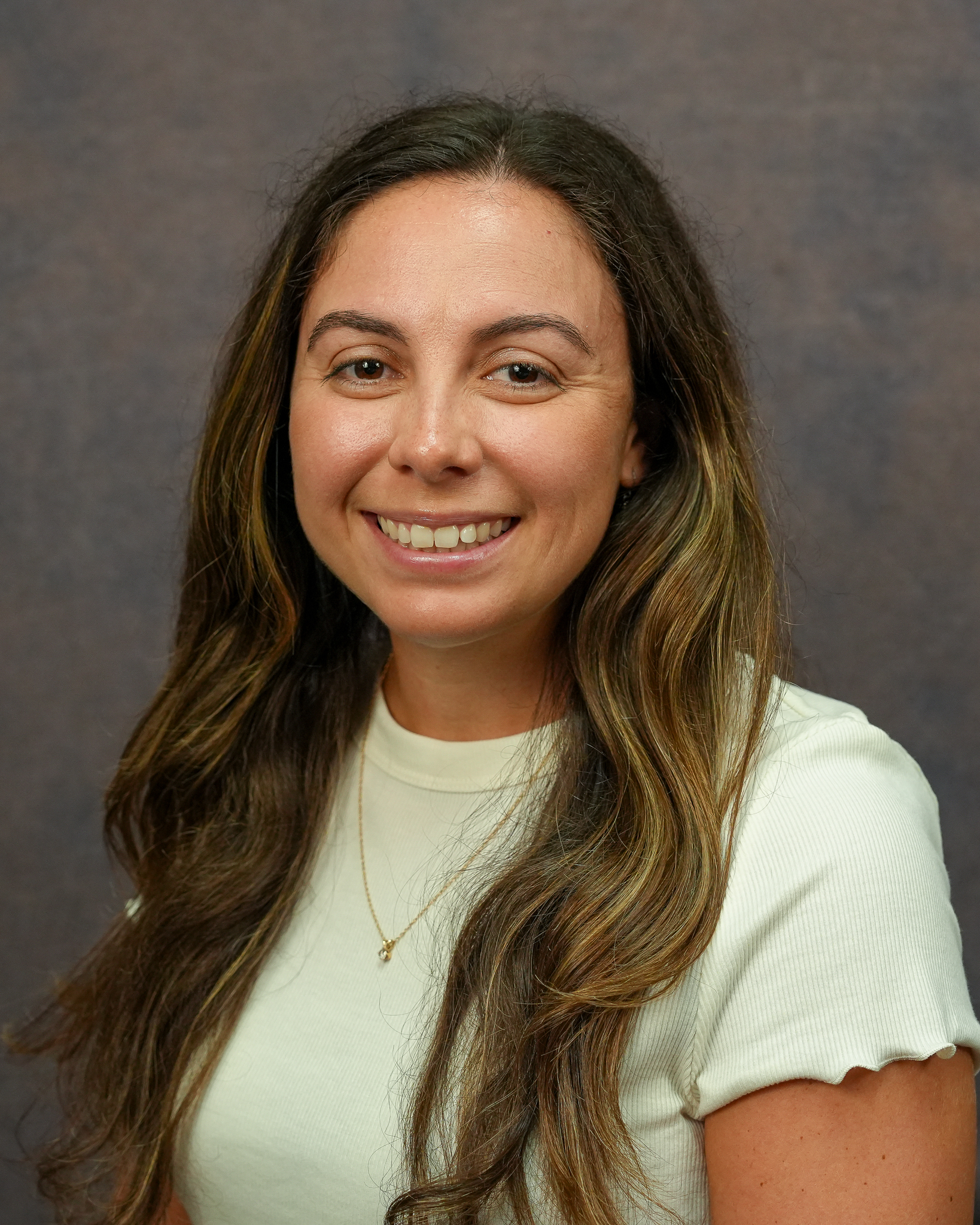
  • Explain the importance of language comprehension in reading development and academic success, and describe how school-based SLPs may use language comprehension curriculums (LCCs) to support students with language and literacy difficulties.
  • Identify key barriers and misconceptions that impact SLPs’ adoption of LCCs for students with language and literacy difficulties.
  • Analyze implications for future research and professional development to support effective LCC implementation.
speaker headshot Hannah Hudson
MS, CCC-SLP
time icon07/09/2026 08:00 am to
09:00 am

LSVT Loud, PhoRTE, SPEAK OUT!: Are they the same?

Coral A

Phonation Resistance Training Exercises (PhoRTE), Lee Silverman Voice Treatment (LSVT Loud), and SPEAK OUT! are all physiologically based voice rehabilitation programs. Their tasks are similar but differ in underlying purpose. This talk aims to explore the similarities and differences between the three approaches and provide clinical examples of each.

Learning Objectives:

  • Learner will identify the key similarities and differences between PhoRTE, LSVT, and SPEAK OUT!
  • Learner will define target population for each approach.
  • Learner will integrate the therapeutic models into a comprehensive plan of
speaker headshot Christine Martin
MA, CCC-SLP
speaker headshot Robert Fritz
MS, CCC-SLP
time icon07/09/2026 08:00 am to
09:00 am

Clearing the Air: Emerging Evidence on Vaping’s Health Risks

Coral B

Vaping is a pervasive phenomenon in young people, with many vapers beginning use in their middle and high school years. Here, we discuss the emerging evidence of the impact of relatively short-term use of vaping products on voice and cough functions in young adult vapers.

Learning Objectives:

  • describe various vaping products and how the vaping market has expanded over the years.
  • describe the current demographics of vapers and the health risks associated with early use of vaping products.
  • describe evidence of the impact of vaping on voice and cough symptoms and physiology.
speaker headshot Victoria McKenna
Ph.D, CCC-SLP
speaker headshot Emma Burns
BS
speaker headshot Tiffany Tores
BS
speaker headshot Rita Patel
Ph.D, CCC-SLP
speaker headshot Sudip Vhaduri
other,Ph.D.
time icon07/09/2026 08:00 am to
09:00 am

Empathy, Health Literacy, and Agile Framework in Patient Care: Using

Coral DE

Health literacy is a critical factor in providing effective health care service delivery. Clients with limited health literacy skills struggle to understand and generalize therapeutic information. The connection between low literacy levels and poor health outcomes can be recognized as an identifiable connection (Nutbeam, 2008). By integrating a software industry

Learning Objectives:
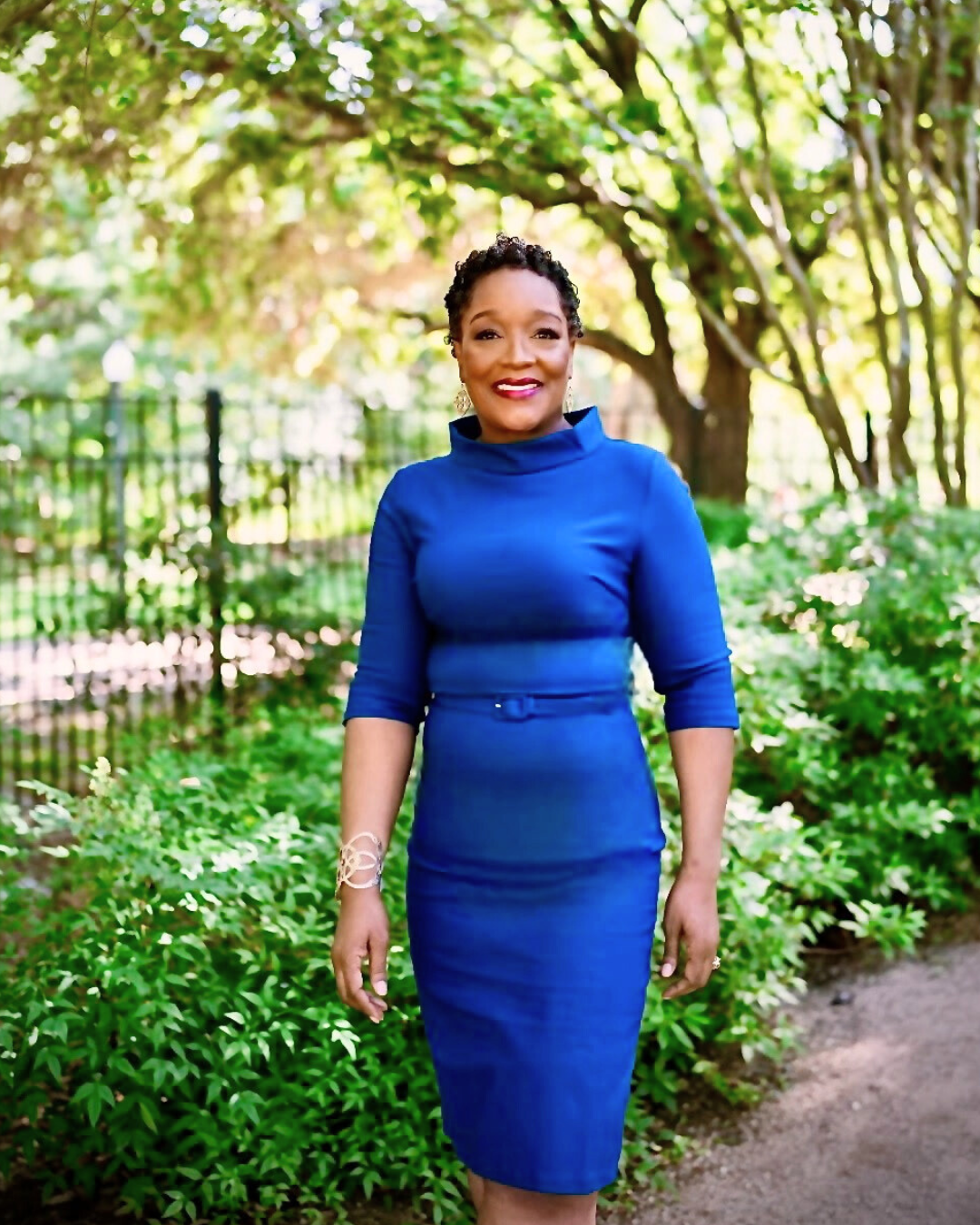
  • Analyze health literacy components and their impact on speech-language pathology service delivery models.
  • Formulate user stories that bridge health literacy challenges with empathetic, collaborative care.
  • Explain how the Teach-Back method integrates to improve patient understanding and communication in therapeutic settings.
speaker headshot Traci Love
other,DHA MA, CCC-SLP CPC COC
time icon07/09/2026 09:15 am to
11:15 am

Cultural Responsiveness Rebooted: Evolution, Connection, and the Age of AI

Oceana A

This session explores the evolution of cultural competence, humility, and responsiveness in the field of CSD. Through storytelling, case examples, and discussion, participants will analyze real-world applications and consider the next phase of service delivery that includes culturally responsive patient care and algorithmic fairness in tech-driven clinical practice environments.

Learning Objectives:

  • Define cultural competence, cultural humility, and cultural responsiveness, and explain their evolution within the context of communication sciences and disorders.
  • Analyze how artificial intelligence and digital technologies influence the practice of cultural responsiveness and ethical decision-making.
  • Describe strategies for sustaining empathy, inclusion, and equitable communication in technology-mediated clinical and educational settings.
speaker headshot Rachel Williams
Ph.D, CCC-SLP
speaker headshot Rita Lenhardt
other,DHSc, CCC-SLP
time icon07/09/2026 09:15 am to
10:15 am

Rising Racquets: Play-Based Therapy Through Sport for Neurodiverse Children

Coral DE

Rising Racquets transforms tennis and pickleball into play-based therapy for neurodiverse children ages 3–7. Licensed therapists and certified coaches integrate speech, occupational, physical, and behavioral therapies within racquet play to strengthen communication, coordination, and social-emotional skills—fostering inclusion, confidence, and school readiness through joyful, movement-based learning.

Learning Objectives:
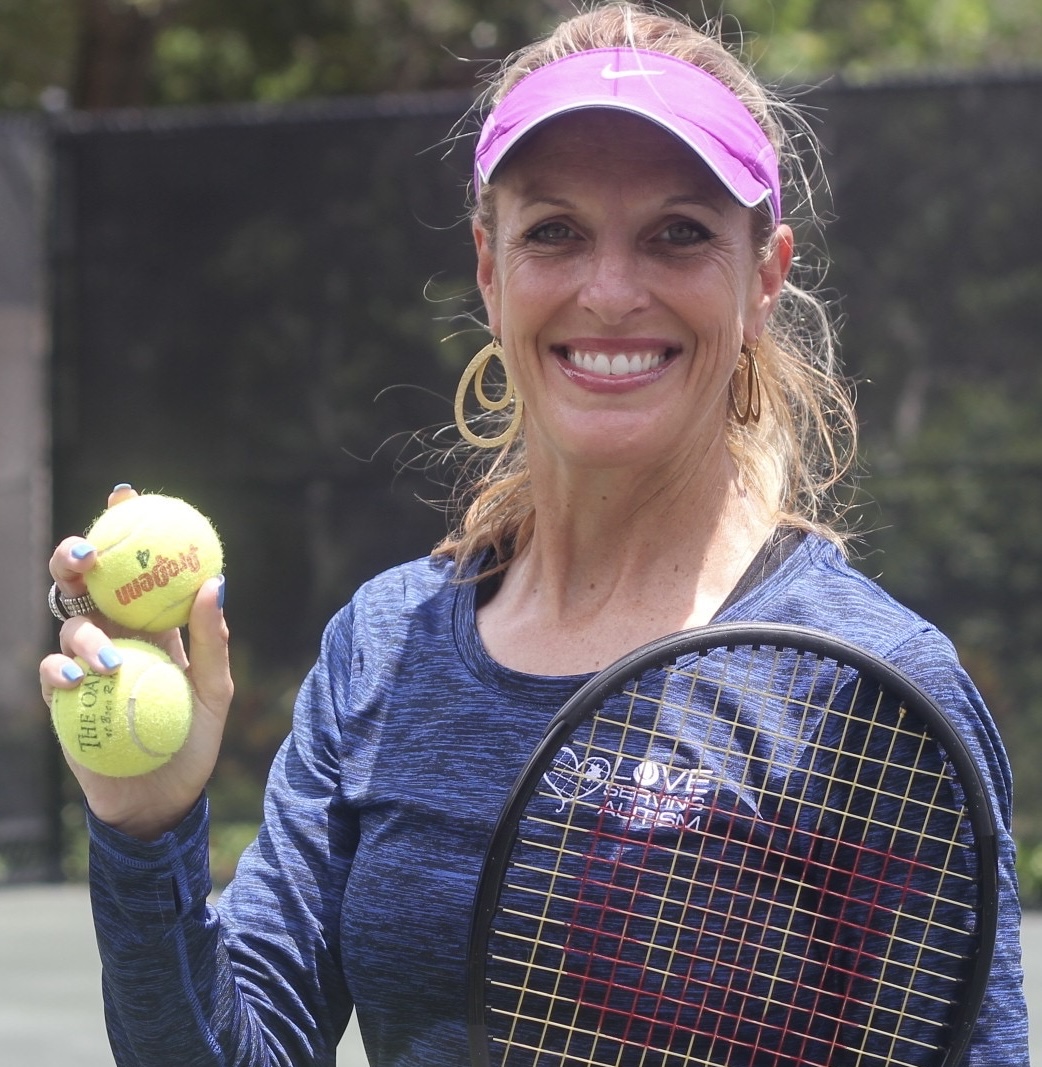
  • Identify evidence-based strategies for integrating speech, occupational, physical, and behavioral therapies within play-based racquet sports sessions for neurodiverse children.
  • Demonstrate how structured, movement-based activities can target specific communication, motor, and social-emotional goals in children with autism and developmental delays.
  • Analyze outcomes of interdisciplinary, play-based interventions that promote engagement, regulation, and generalization of skills across home, school, and community settings.
speaker headshot Lisa Pugliese
MS, CCC-SLP
speaker headshot Mara Friedman
MA, CCC-SLP
time icon07/09/2026 09:15 am to
10:15 am

Unlikely Duos: Implementing Aided AAC with children who are DHH.

Coral C

Like the unlikely duo of pineapple and pizza, our sessions focuses on the successful collaboration between the use of AAC with children who are DHH. This presentation will focus on factors to consider, strategies that support functional communication, and challenges and successes when using AAC with children who are DHH.

Learning Objectives:

  • List three factors when considering the use of augmentative and alternative communication for a child who is deaf or hard of hearing.
  • Explain three strategies to build functional communication skills for children who are deaf and hard of hearing using augmentative and alternative communication.
  • Describe challenges and successes of utilizing augmentative and alternative communication with children who are deaf or hard of hearing.
speaker headshot Christina Givner
MS, CCC-SLP
speaker headshot Helen Hernandez
MS, CCC-SLP
speaker headshot Lynn Miskiel
other,M.A., CCC-SLP/A LSLS Cert AVEd
speaker headshot Michelle Schladant
other,PhD, ATP
speaker headshot Cristina Pujol
MS, CCC-SLP
time icon07/09/2026 09:15 am to
11:15 am

Dysphagia Grand Rounds

Coral A

Swallowing complaints often have various etiologies that require different assessment and treatment approaches. This interactive session showcases the specialized roles and expertise speech-language pathologists require during dysphagia management through presentation of seven unique case studies

Learning Objectives:

  • Demonstrate appropriate use of assessment tools when evaluating patients with swallowing complaints
  • Describe the importance of a dynamic assessment when managing patients with swallowing complaints
  • Demonstrate how to determine evidenced based treatment recommendations based on swallowing deficits observed during assessment
speaker headshot Tin Wai Tiffany Siu
MS, CCC-SLP
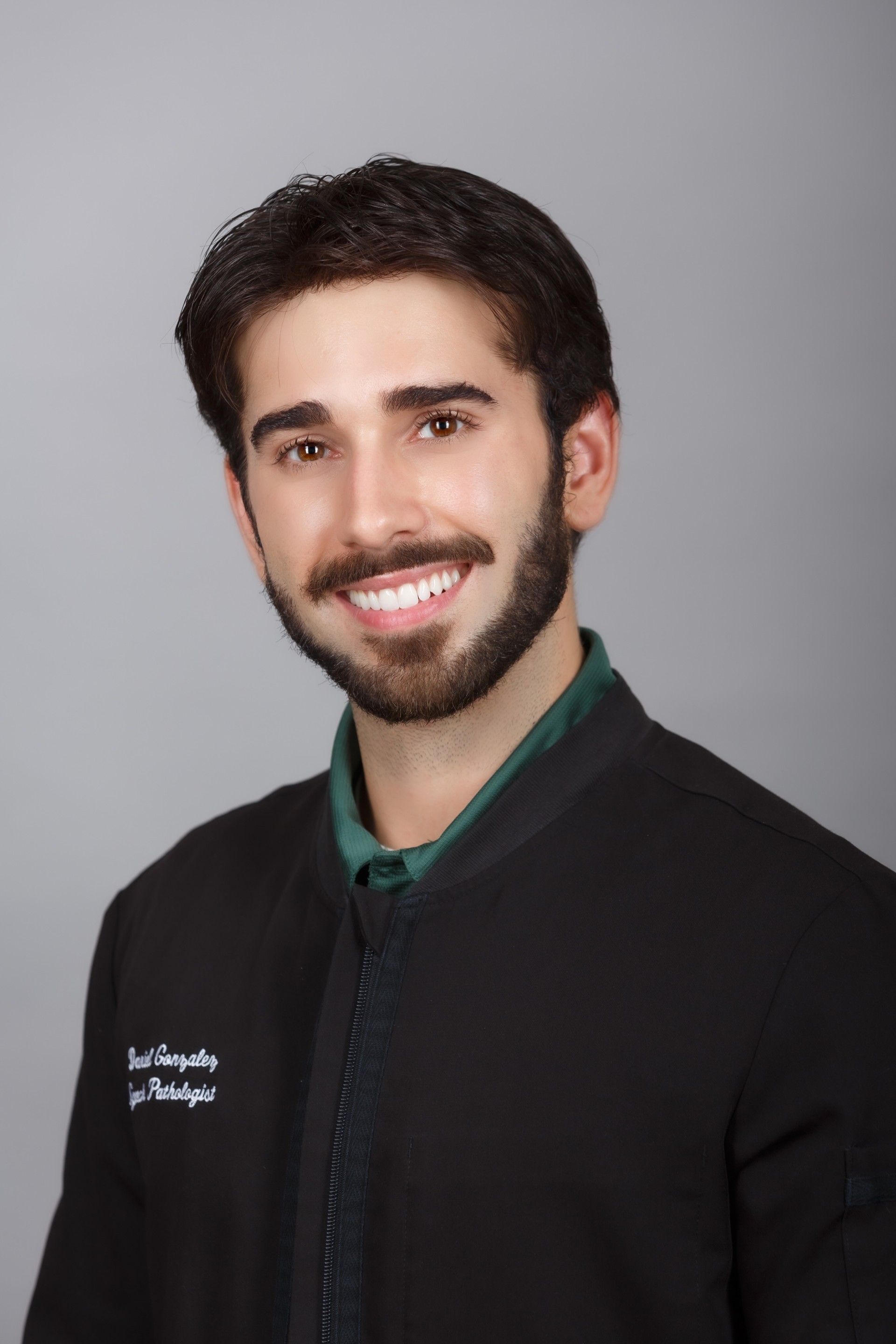
speaker headshot Daniel Gonzalez
MS, CCC-SLP
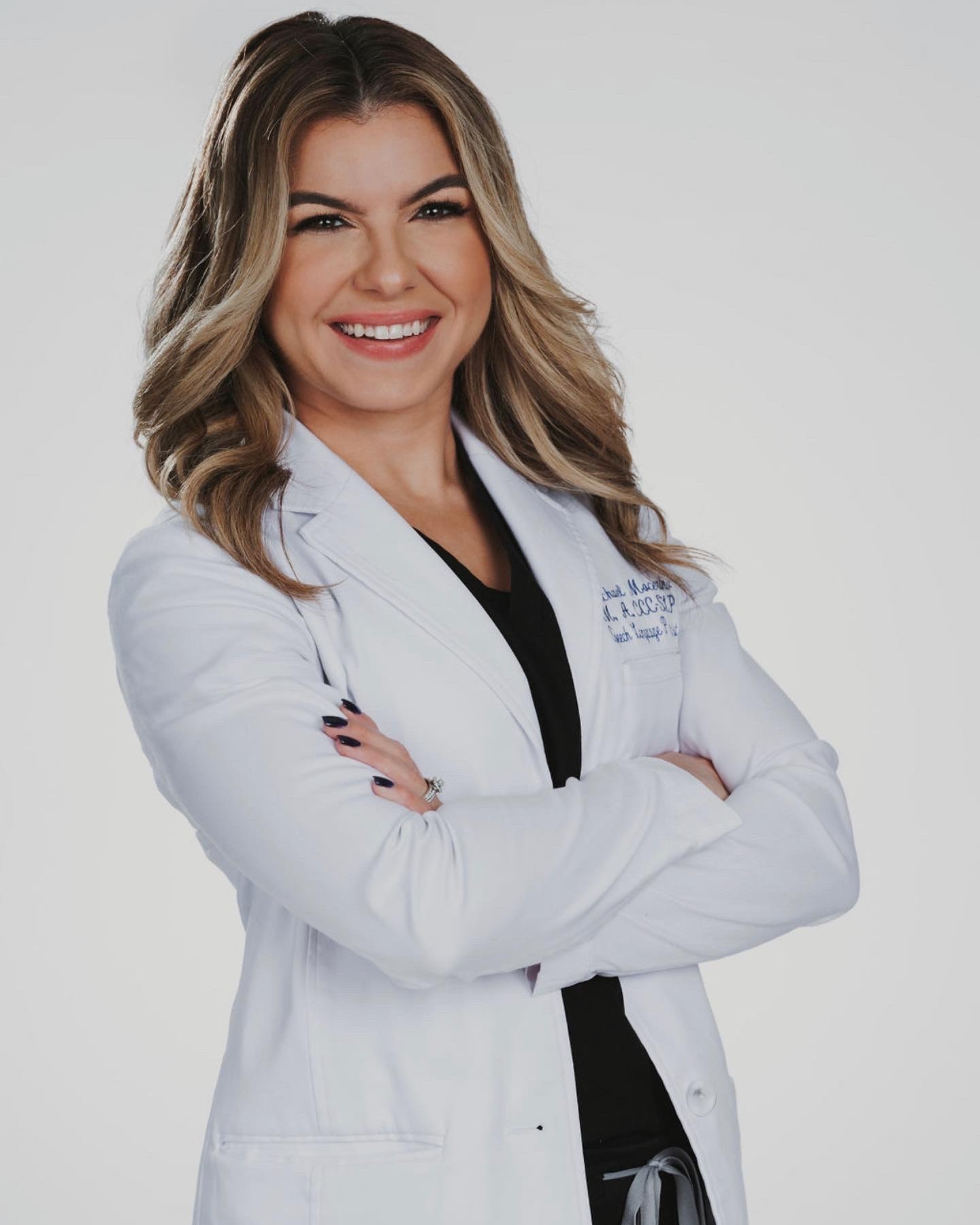
speaker headshot Rachael Silveira
MA, CCC-SLP
speaker headshot Jennifer Colsky
MA, CCC-SLP
speaker headshot Tiffany Borcherds
MS, CCC-SLP
speaker headshot Tara Segalewitz
MA, CCC-SLP
speaker headshot Morgan Holloway
MS, CCC-SLP
time icon07/09/2026 09:15 am to
10:15 am

Exploring Hearing Health Through a Research Round Robin: Clinical, Cognitive, Educational, and Patient‑Centered Findings

Coral B

This session presents four interconnected research projects advancing

understanding of hearing health across diverse populations. Topics include hearing loss and awareness among breast cancer survivors, cognitive and attentional effects of misophonic triggers and association with audiological outcomes, health literacy challenges in cochlear

implant educational materials, and gaps in undergraduate audiology curricula. Together, these studies highlight critical barriers to effective hearing care and propose evidence-based strategies to improve patient education, clinical outcomes, and professional preparation.

Learning Objectives:

  • Recognize hearing health challenges faced by breast cancer survivors and cochlear implant recipients.
  • Explain how misophonia affects cognitive function and its connection to audiological outcomes.

  • Identify gaps in hearing healthcare education for both patients and audiology students.

speaker headshot Kimberly Ward
Au.D, CCC-A
time icon07/09/2026 10:30 am to
11:30 am

Overlapping Diagnoses and Connections to Progress and Prognosis in CAS

Coral DE

Childhood Apraxia of Speech (CAS) requires precise diagnosis and individualized therapy. Overlapping conditions in pediatric cases complicate differential diagnosis and prognosis. Utilizing known diagnostic criteria, dynamic assessment, and peer support enhances evidence-based intervention and interdisciplinary collaboration, improving outcomes for children with different diagnoses and fluctuating progress.

Learning Objectives:
  • identify the three main diagnostic criteria of CAS
  • contrast the markers of fluency, phonological and resonance disorders in children.
  • describe the benefits of peer -support in case base assessment
speaker headshot Tambi Braun
SLP.D, CCC-SLP
speaker headshot Lisa Presti
MS, CCC-SLP
speaker headshot Jocelyn Slater
MS, CCC-SLP
speaker headshot Marykate Garcia
other,High School Diploma
time icon07/09/2026 10:30 am to
11:30 am

Challenges in Preparing Psychology Students to Treat People with Aphasia

Coral C

Aphasia impacts mental health significantly. The need for mental health support is not adequately met. Many mental health professionals are not prepared to treat people with aphasia. We surveyed and interviewed psychology students who facilitated aphasia support groups and administrators to learn how to prepare students to address this population.

Learning Objectives:
  • Participants will describe potential solutions to support preparation of psychology students to treat clients with aphasia
  • Participants will list barriers to adequate access to mental health support for people with aphasia
  • Participants will identify challenges in to preparing psychology students to treat people with aphasia and their carepartners/loved ones
speaker headshot Lea Kaploun
Ph.D, CCC-SLP
time icon07/09/2026 10:30 am to
11:30 am

AI-Powered Mentorship: Elevating the Clinical Fellowship Experience

Coral B

Effective mentorship during the Clinical Fellowship (CF) experience is essential to preparing future speech-language pathologists for independent practice and ensuring high-quality services for individuals with communication disorders (ASHA, 2013a). Feedback is a critical component of this process; it serves as an informed, objective appraisal that promotes growth, enhances clinical reasoning,

Learning Objectives:
  • Identify 2 AI strategies that you can implement into your weekly workflow to reduce time spent on therapy planning and individual therapy materials.
  • Explain how strategic prompting of AI tools can increase efficiency in two specific areas of secondary SLP therapy planning.
  • Apply 2 custom AI prompts to generate lesson materials that directly integrate specific language targets.
speaker headshot Lindsay Knobelauch Johnson
other,M.Ed., CCC-SLP, CHSE
speaker headshot Phillip Erkkila
MA, CCC-SLP
time icon07/09/2026 01:00 pm to
02:30 pm

Guardrails and Great Ideas, Using AI to Sharpen Clinical Judgment

Coral A

Artificial intelligence is rapidly reshaping clinical practice, yet its value in speech language pathology depends on clinicians who know how to use it with clarity, discernment and a solid grasp of compliance expectations. This session explores how AI can support sharper clinical reasoning, more efficient documentation and stronger therapeutic planning

Learning Objectives:
  • Describe scenarios in which AI can enhance clinical analysis, documentation quality and therapeutic planning while maintaining adherence to regulatory requirements
  • Identify common compliance vulnerabilities that may arise when AI is used in clinical decision making or documentation and apply strategies to mitigate them.
  • Apply a practical framework for integrating AI into daily SLP workflows that supports ethical reasoning, protects clinical integrity and improves overall efficiency
speaker headshot Jennifer Marx
MS, CCC-SLP
time icon07/09/2026 01:00 pm to
02:30 pm

Will My Child With Autism Ever Talk? Helping My Child Climb the Language Mountain

Coral DE

Nearly 40% of children with ASD are nonverbal, making “Will my child ever talk?” one of the most common questions parents ask. This session examines language development in ASD through a developmental framework, using evidence-based intervention practices and parent consultation summaries to guide meaningful, research-informed answers.

Learning Objectives:

  • Examine language development of children with autism
  • Define the steps of the language mountain
  • Apply early intervention strategies using the PLAY Project model to facilitate language acquisition and communication skills
speaker headshot Sheryl Rosin
PhD., CCC-SLP
time icon07/09/2026 01:00 pm to
02:30 pm

Governmental Ed Roundtable

Coral B

Join FLASHA’s Governmental Education Roundtable - a pivotal platform discussing topics like the role of the governmental ed team, HMO updates, and legislative changes. Learn how to actively participate in FLASHA’s advocacy efforts and stay informed. Enhance your healthcare stakeholder role through immersive learning and networking.

Learning Objectives:
  • Demonstrate a comprehensive understanding of FLASHA’s advocacy efforts in the field of speech and language therapy in Florida.
  • Apply effective advocacy skills and strategies to actively contribute to shaping a brighter future for speech and language therapy in Florida’s healthcare policy.
  • Learn to identify key factors related to contracting, billing, and credentialing from the dedicated advocacy team.
speaker headshot Natasha Carby-Joseph
MA, CCC-SLP
speaker headshot Felice Abby
MS, CCC-SLP
speaker headshot Deborah Campbell
Ph.D, CCC-SLP
speaker headshot Hasina Echoles
MS, CCC-SLP
speaker headshot Charlene Westman
MA, CCC-SLP
time icon07/09/2026 01:15 pm to
02:15 pm

Examining Implicit Bias in Speech Language Hearing Sciences

Oceana A

Bias plays a significant role in how communication disorders are identified, interpreted, and treated across healthcare and educational settings. This presentation explores how identity, culture, and intersectionality shape our perceptions as clinicians and influence the therapeutic experiences of the individuals and families we serve.

Learning Objectives:

  • Ways bias, microaggressions, and intersectionality can influence the assessment and treatment of communication disorders across diverse clinical settings.
  • Real-world case scenarios to recognize how identity factors—such as race, culture, gender identity, disability, and linguistic background—shape clinician perspectives and client experiences.
  • Evidence-based strategies, including stereotype replacement and counter-stereotype imaging, to reduce bias and promote equitable, culturally responsive practices in healthcare and educational environments.
speaker headshot Shontaye Glover Jones
MS, CCC-SLP
time icon07/09/2026 01:30 pm to
02:30 pm

Navigating NG Home Programs: SLPs Guiding Families to PO Intake

Coral C

Feeding challenges are common after NICU discharge. This presentation reviews evidence and outcomes from our institution's home NG program, highlighting SLP roles in assessment, caregiver education, and interdisciplinary coordination. Program results show reduced NICU stay, strong growth and safety outcomes, and high oral-feeding success for infants discharged with NG tubes.

Learning Objectives:
  • Identify three key parts of a safe and effective NG home feeding program.
  • Describe the SLP’s main roles and responsibilities in NG home care.
  • Explain three strategies to help infants move from NG to oral feeding at home.
speaker headshot Jennifer Johnson
MS, CCC-SLP
speaker headshot Paige Cothran Hampton

time icon07/09/2026 02:45 pm to
04:15 pm

Dysphagia Journey and Perspective: Patient, Caregiver and Speech Pathologist Insights

Coral DE

This presentation will explore a patient's dysphagia journey following head/neck cancer, stroke, and other comorbidities. The SLP, patient, and caregiver (also an SLP) will discuss how they transformed therapy from the 3 pillars of predicting aspiration pneumonia to a patient-centered approach.

Learning Objectives:

  • Summarize the patient-centered dysphagia therapy techniques, focusing on collaboration between the SLP, patient, and caregiver.
  • Identify the four sections of a patient's personal toolbox to fight aspiration PNA
  • Integrate the three pillars of aspiration pneumonia prediction into effective, individualized dysphagia treatment.
speaker headshot Matilyn Kopcsik
MA, CCC-SLP
time icon07/09/2026 02:45 pm to
04:15 pm

Best Practices for SLPs within the MTSS Framework

Coral C

Within this session, learners will gain a clear understanding of the Multi-Tiered System of Supports and how they can directly function with success to ensure student needs are met while also collaborating directly with teachers and service providers within a larger system as a whole.

Learning Objectives:

  • Identify the Systematic Components of the Multi-Tiered System of Supports on School Campuses
  • Integrate Service Delivery Models and Practices within the Multi-Tiered System of Support to Enhance Process and Practice
  • Describe next Steps of Support to Apply to their practice individually and within problem solving teams for success
speaker headshot Bryan Russell
other,M.Ed
time icon07/09/2026 02:45 pm to
03:45 pm

The Physiological Need for Auditory (Re)Habilitation

Coral A

The impact of hearing loss is very unique to each individual. Often, physiological changes are not revealed in the basic audiogram. This presentation will focus on cochlear anatomical changes that impact the ability to understand speech communication.

Learning Objectives:
  • Identify the range and magnitude of physiological effects of hearing loss on speech understanding
  • Describe the locus of altered function on aspects of speech understanding in various environments
  • Integrate information from ongoing self-reporting and questionnaires to optimize speech understanding abilities
speaker headshot Robert Fifer
other,Ph.D. CCC-A (retired)
time icon07/09/2026 02:45 pm to
04:15 pm

There's A Spreadsheet For That

Oceana A

Speech-language pathologists and audiologists manage complex clinical, administrative, and personal demands. This engaging session demonstrates how purpose-built spreadsheets can reduce stress, improve organization, and increase efficiency. Real-time examples will be demonstrated, including IEP caseload tracking, therapy planning, data collection, budget tracking, and life organization. Participants will also explore how AI tools can be used to quickly create, customize, and automate spreadsheets to support clinical, educational, and professional workflows.

Learning Objectives:

  • Identify at least three ways spreadsheets can streamline clinical, administrative, and personal workflows for SLPs and audiologists.
  • Demonstrate how AI tools can be used to create, customize, and optimize spreadsheet templates.
  • Apply spreadsheet strategies to reduce cognitive load, improve organization, and support data-driven decision making.
speaker headshot Lyndsey Zurawski
SLP.D, CCC-SLP
time icon07/09/2026 02:45 pm to
03:45 pm

Reimbursement/Medicaid Committee Open Forum

Coral B

Join the Reimbursement/Medicaid Committee for an Open Forum. This is a non-CEU awarding session. 

time icon07/09/2026 04:00 pm to
05:30 pm

The Long Game: What 10+ Years Taught Me About Building a Practice Worth Having

Coral B

Building a profitable and sustainable speech-language practice requires more than clinical excellence — it requires business strategy. Drawing from 10+ years of real-world experience, this session explores the financial, operational, and leadership decisions that separate thriving practices from struggling ones, including practical AI tools that are changing how practice owners work.

Learning Objectives:

  • Identify the mindset shifts that separate a profitable, sustainable speech-language practice
  • Name the AI tools that can streamline operations, reduce administrative burden, and support business growth in a speech-language practice.
  • Implement at least one financial, operational, or team building strategy to move their practice to the next level.
speaker headshot Hasina Echoles
MS, CCC-SLP
time icon07/09/2026 04:30 pm to
05:30 pm

The Schools Grand Round Table: Addressing Current Issues in School-Based

Coral C

This interactive session unites Florida’s school-based speech-language pathologists and audiologists to discuss current challenges, policy updates, and effective practices in service delivery. Participants will engage in roundtable discussions, meet the FLASHA School Ambassadors team, and collaborate on innovative, equity-driven strategies to enhance communication outcomes and professional advocacy statewide.

Learning Objectives:
  • Identify and analyze current statewide issues affecting school-based SLP and audiology services in Florida.
  • Describe the role of FLASHA School Ambassadors in supporting practitioners through advocacy, collaboration, and professional development.
  • Apply shared strategies and evidence-informed practices to improve service delivery and advocacy efforts within their own districts.
speaker headshot Marisa Carr
MS, CCC-SLP
time icon07/09/2026 04:30 pm to
05:30 pm

The Science of Burnout: Insights for Sustainable Practice

Coral DE

Feeling burnout does not equal understanding burnout. From the lens of being a manager, supervisor, administrator or working in the field of speech-language pathology, this presentation examines what burnout is, how it manifests, and specific resources and supports that can be utilized to mitigate or avoid burnout.

Learning Objectives:
  • define burnout
  • identify 3 signs of burnout
    3 resources/supports for avoiding burnout
speaker headshot Wyndi Capeci
ED.D, CCC-SLP
speaker headshot Bethany Walker
MS, CCC-SLP
time icon07/09/2026 04:30 pm to
05:30 pm

Feeding the Medically Complex Child

Oceana A

Children with complex medical conditions are at significantly elevated risk for developing pediatric feeding and swallowing disorders (PFDs), yet early identification and coordinated intervention remain inconsistent across care settings. This presentation will explore the multifactorial nature of feeding challenges in medically fragile populations.

Learning Objectives:

  • Identify key medical, psychosocial, and developmental factors that contribute to the development of pediatric feeding disorders.
  • Describe components of a comprehensive, interdisciplinary feeding and swallowing assessment for medically fragile infants and children.
  • Apply evidence-based, family-centered strategies to support safe feeding progression and prevent long-term feeding dysfunction.
speaker headshot Jenna Nassar
MS, CCC-SLP, BCS-S
time icon07/09/2026 06:30 pm to
07:30 pm

ASHA Advocacy in Action

Oceana A

This session provides a clear, engaging overview of ASHA’s 2026 Public Policy Agenda (PPA), highlighting how member input shapes advocacy priorities in payment and coverage, service delivery and access, and workforce needs. Participants will learn how ASHA develops the PPA,

the coordinated strategies used to advance policy change, and the essential role members play in successful advocacy. The session also outlines opportunities for involvement, including grassroots action and ASHAPAC engagement.

Learning Objectives:

  • Describe the purpose, structure, and development process of ASHA’s Public Policy Agenda.
  • Identify key 2026 advocacy priorities across payment, service delivery, and workforce areas.
  • Explain how members can effectively participate in advocacy efforts at the state and federal levels.
speaker headshot Kimberly Ward
Au.D, CCC-A
time icon07/10/2026 08:00 am to
09:30 am

Beyond the Ear: Visualizing Speech Movements with Ultrasound Visual Feedback

Oceana A

Traditional speech assessment and intervention rely heavily on auditory and perceptual judgment—listening “beyond the ear” has long been a clinical challenge. Ultrasound Visual Feedback (UVF) technology now allows clinicians to visualize the often-invisible movements of the tongue during speech production, offering a powerful window into articulatory behavior. This presentation explores

Learning Objectives:

  • Describe the fundamental principles of ultrasound imaging and identify key articulatory landmarks used in visualizing tongue movement during speech production.
  • Analyze and interpret ultrasound tongue images to distinguish typical and atypical articulatory patterns associated with speech sound disorders.
  • Apply ultrasound visual feedback techniques to develop evidence-based intervention strategies for clients with persistent speech sound errors (e.g., rhotics, distortions).
speaker headshot Jianwen Crump
ED.D, CCC-SLP
time icon07/10/2026 08:00 am to
09:30 am

Project WILLD: Writing in students with language-based learning disabilities

Coral DE

Project WILLD (Writing in students with language-based learning disabilities [LLD]), is an intervention developed by the authors to support students with LLD improve writing skills through metacognitive and metalinguistic strategies. This presentation reports on the first iterations of development including a pilot study that was a randomized controlled trial.

Learning Objectives:

  • Describe the iterative process for development the intervention
  • Explain the fully developed intervention and how it can be used by practitioners in authentic educational settings
  • Contrast student and educator outcomes within and across studies
speaker headshot Anthony Koutsoftas
Ph.D, CCC-SLP
speaker headshot Cynthia Puranik
Ph.D, CCC-SLP
time icon07/10/2026 08:00 am to
09:30 am

Promoting Reflective Practice During Pre-Clinical Observations Using AI-Enabled Tools

Coral C

This session explores how AI-enabled tools within a graduate course can enhance reflective practice during virtual pre-clinical observation experiences. Attendees will learn strategies for integrating guided reflection, feedback analytics, and ethical AI use. Incorporating this activity promotes deeper self-assessment, professional growth, and meaningful engagement among emerging speech-language pathologists in training.

Learning Objectives:
  • Describe how AI-enabled tools can be integrated into pre-clinical virtual observation experiences to enhance reflective practice among speech-language pathology students.
  • Identify three benefits of using AI-assisted reflection platforms within speech-language pathology training.
  • List three ways to promote critical thinking and self-assessment in emerging clinicians through reflective journaling.
speaker headshot Joe Zelenke
ED.D, CCC-SLP
time icon07/10/2026 08:30 am to
09:30 am

Connecting It All: Supporting Vocabulary Growth-DHH, AAC And More

Coral B

Vocabulary development is critical for language acquisition for children. Populations such as children who are deaf/hard of hearing (DHH), children using Augmentative/Alternative Communication (AAC), or children with complex communication needs benefit from support in acquiring a robust lexicon. This presentation synthesizes vocabulary intervention research and presents strategies to support vocabulary

Learning Objectives:

  • Identify factors that influence vocabulary growth in preschool and school aged children.
  • Identify formal and informal vocabulary assessment tools to support goal development.
  • Describe evidence-based vocabulary intervention strategies to promote vocabulary growth and generalization in a variety of settings including therapy, classroom, and home environments.
speaker headshot Lynn Miskiel
other,M.A., CCC-SLP/A LSLS Cert AVEd
speaker headshot Gail McKenna
MS, CCC-SLP
speaker headshot Cristina Pujol
MS, CCC-SLP
time icon07/10/2026 08:30 am to
09:30 am

Beyond the Clinic: AI’s Role in Dysphagia Support & Empowerment

Coral A

This presentation explores how AI can enhance dysphagia support groups by improving patient education, engagement, and continuity of care. Attendees will learn evidence-informed, ethical strategies to use AI for personalized resources, home program support, and community connection—strengthening the SLP’s impact while maintaining compassionate, patient-centered care.

Learning Objectives:
  • Evaluate the potential benefits and risks of incorporating AI into patient-support workflows for individuals with complex swallowing disorders.
  • Compare traditional support group models with AI-enhanced approaches to determine their impact on patient engagement and continuity of care.
  • Implement AI tools that streamline therapist workload while maintaining compassionate, patient-centered support for individuals with dysphagia.
speaker headshot Kristin Winter
other,MEd, CCC-SLP
speaker headshot Maggie Donaker
MS, CCC-SLP
time icon07/10/2026 10:00 am to
11:30 am

If I Only Had the Words to Tell You

Oceana A

“If I Only Had the Words to Tell You” is a self-penned speech chronicling my life growing up with a stutter. Going past the contents of the speech, my presentation will include further personal anecdotes, as well as testimonials, reflecting on various elements and influences on my fluency journey.

Learning Objectives:

  • Describe the trials and tribulations of a life-long stutter 
  • Explain ways to overcome a stutter using "triggering" situations to encourage practicing fluency in more difficult circumstances.
  • identify steps to work with patients who stutter
speaker headshot Dennis Szymanski
other,Ph.D. - Materials Science and Engineering & Person Who Stutters
time icon07/10/2026 11:45 am to
12:45 pm

Unlocking Literacy: The SLP’s Secret Superpower

Coral DE

Speech-language pathologists (SLPs) hold a unique superpower: unlocking the language foundations that drive literacy. This session explores evidence-based strategies linking oral language, phonological awareness, and literacy skills, empowering SLPs to support students with language-based learning challenges, collaborate with educators, and foster confident, capable readers, writers, and communicators.

Learning Objectives:
  • Describe the reciprocal relationship between oral language and literacy development across childhood and adolescence.
  • Identify and implement evidence-based strategies for integrating literacy goals into speech-language intervention.
  • Explain the role of SLPs in prevention, early identification, and intervention for students with language-based challenges, including dyslexia.
speaker headshot Gabriella Garcia
MS, CCC-SLP
time icon07/10/2026 11:45 am to
12:45 pm

Exploring Social Media Ethics Through a Professional Lens

Oceana A

There is an increase of professionals on social media to learn how to become better professionals and build community. A rising professional presence on social media requires examination from professionals. Professionals must navigate as informed consumers, balancing growth and community with a cautious eye on social media's professional impacts.

Learning Objectives:

  • List potential ethical violations that can occur on social media.
  • Describe the pros and cons of SLPs engaging on social media platforms.
  • Explain ways to use social media to advance client care.
speaker headshot Sydney Bassard
other,MSP, CCC-SLP
time icon07/10/2026 11:45 am to
12:45 pm

Passing the Muir: Interdisciplinary collaborations in Breathing, Speech, Swallowing& Beyond

Tracheostomy can significantly impact patients’ swallowing functions. Utilization of Passy Muir valve (PMV) can minimize aspiration risk in patients with tracheostomy (Dettelbach et al., 1995) and promote swallowing safety. Speech-language pathologists (SLP) play an essential role in interdisciplinary collaboration with other medical professionals when managing patients with artificial airway.

Learning Objectives:

  • Summarize management and utilization of Passy Muir Valve on tracheostomy patients in acute care setting
  • Identify key stakeholders from interdisciplinary team to foster collaboration and management of Passy Muir Valve on tracheostomy patients
  • Describe ways to engage in interdisciplinary collaboration and management of Passy Muir Valve on tracheostomy patients
speaker headshot Tin Wai Tiffany Siu
MS, CCC-SLP
speaker headshot Daniel Gonzalez
MS, CCC-SLP
speaker headshot Rachael Silveira
MA, CCC-SLP
time icon07/10/2026 11:45 am to
12:45 pm

Speaking Through Play: AAC Approaches for Functional Communication

Coral A

This presentation will outline strategies for implementing AAC using a play-based approach with children with significant expressive language delays and/ or who are highly unintelligible. Core components of play-based AAC interventions will include strategies promoting engagement and functional communication opportunities that are person-centered within a natural environment.

Learning Outcomes:
  • Describe the core components of play-based AAC necessary for functional communication
  • Describe the role of caregivers in supporting play-based AAC necessary to promote generalization of functional communication
  • Identify person-centered factors to support play-based AAC strategies
speaker headshot Mariateresa Munoz
SLP.D, CCC-SLP
speaker headshot Sofia Aira
other,MS-SLP
speaker headshot Bianca Campillo
other,MS-SLP
speaker headshot Erika Camps
other,MS-SLP
speaker headshot Jonathan Romero
other,MS-SLP
time icon07/10/2026 11:45 am to
12:45 pm

Intraprofessional and Interprofessional Skills of Graduate Student Clinicians Enhancing Skills

Graduate student clinicians require strong intra- and interprofessional collaboration skills for effective practice. Continued participation in team-based activities and reflective learning enhances communication, role clarity, and shared decision-making. Ongoing practice fosters confidence and prepares students for collaborative clinical environments, ultimately improving patient outcomes and professional competence.

Learning Objectives:
  • Describe innate traits that contribute to the effectiveness of a Speech-Language Pathologist (SLP), such as empathy, patience, adaptability, and strong communication skills, and explain how these traits support clinical decision-making and client outcomes.
  • Define the core principles of ethical conduct in speech-language pathology, apply the ASHA Code of Ethics to clinical decision-making, and analyze case scenarios to identify appropriate ethical responses that protect client welfare and professional integrity.
  • Analyze and interpret student self-ratings of interpersonal skills, identify patterns or areas for improvement, and propose strategies to enhance communication and collaboration in clinical or academic settings
speaker headshot Jillian Bleistein
MS, CCC-SLP
time icon07/10/2026 12:45 pm to
01:45 pm

Empowering Individuals with Aphasia: Implementation and Outcomes of an ICAP

The Florida State University Speech & Hearing Clinic developed and piloted an Intensive Comprehensive Aphasia Program (ICAP) to expand access to high-dosage, multimodal, person-centered aphasia rehabilitation. Guided by the Life Participation Approach to Aphasia and the A-FROM framework, the program aims to enhance communication outcomes and life participation for individuals.

Learning Objectives:
  • Identify core components, intensity parameters, and LPAA-aligned features of Intensive Comprehensive Aphasia Programs (ICAPs).
  • Explain how interdisciplinary, student-supported models enhance communication, psychosocial well-being, and participation outcomes for adults with aphasia.
  • Describe the logistical, financial, and training considerations for planning or refining an ICAP model within a university or community clinical setting.
speaker headshot Ellen Nimmons
other, M.C.D., CCC-SLP
speaker headshot Elizabeth Madden
Ph.D, CCC-SLP
speaker headshot Erin Bush
Ph.D, CCC-SLP
time icon07/10/2026 12:45 pm to
01:45 pm

Improving Clinical Competence in Medical Settings with High-Fidelity Simulations

Speech-language pathologists (SLPs) working in medical settings must demonstrate advanced clinical reasoning, rapid decision-making, and effective communication within interprofessional healthcare teams. However, developing these skills can be challenging within traditional classroom or limited clinical practicum experiences. High-fidelity simulation (HFS) offers a dynamic and evidence-based approach to bridge this gap.

Learning Objectives:

  • Describe the components and structure of high-fidelity simulation (HFS) as applied to speech-language pathology education and medical practice.
  • Analyze how simulation-based learning improves critical thinking, clinical decision-making, and interprofessional collaboration in medical SLP settings.
  • Apply evidence-based debriefing and scenario design strategies to develop or enhance simulation experiences that promote clinical competence in dysphagia, tracheostomy, and cognitive-communication care.
speaker headshot Jianwen Crump
ED.D, CCC-SLP
time icon07/10/2026 12:45 pm to
01:45 pm

AI Meets Clinical Judgment: Shaping the Next Generation of SLPs

Artificial Intelligence (AI) is reshaping how future clinicians learn, think, and connect. As speech-language pathology integrates these tools into mentorship and supervision, opportunities and ethical challenges emerge. Building AI literacy while supporting clinical judgment is essential—but how can mentors balance innovation with the human connection central to clinical education?

Learning Objectives:
  • Identify key themes in current literature on AI use in speech-language pathology education and clinical training.
  • Explain the benefits and limitations of AI tools like ChatGPT in mentorship and student supervision.
  • Summarize a framework for ethical and effective integration of AI into a new mentorship program.
speaker headshot Jocelyn Slater
MS, CCC-SLP
speaker headshot Lisa Presti
MA, CCC-SLP
time icon07/10/2026 12:45 pm to
01:45 pm

Naming Ability in Older Bilingual Spanish English Adults

The purpose of this study was to examine how age and language proficiency affect naming ability in bilingual Spanish English older adults. Results revealed both age and language proficiency influence naming ability. English naming shows stronger links to age and proficiency whereas Spanish naming depends more on vocabulary.

Learning Objectives:
  • define Language proficiency after this presentation
  • compare naming ability for English and Spanish in bilingual adults
  • summarize influences of age on naming ability in bilingual English Spanish adults
speaker headshot Monica Hough
Ph.D, CCC-SLP
speaker headshot Juliana Foinquinos
other, M.S. CFY
speaker headshot Jonathan Romero
other,MS-SLP
speaker headshot Amanda Somano
other, M.S. CFY
speaker headshot Gabriela Urivazo
other, MS-SLP
time icon07/10/2026 12:45 pm to
01:45 pm

AAC for Adults with Broca’s Aphasia: Culturally-Responsive Interprofessional Practice

Individuals with Broca’s aphasia often struggle with limited verbal expression, and AAC devices can provide critical support for functional communication. This presentation highlights the need to describe the unique communication challenges faced by this population and provide strategies to use an interprofessional practice approach in fostering person-centered intervention.

Learning Objectives:

  • Describe the unique communication challenges faced by individuals diagnosed with aphasia and who rely on AAC
  • Describe strategies promoting an effective interprofessional practice approach when working with individuals diagnosed with Broca’s aphasia and who rely on AAC to foster person-centered intervention.
  • Describe strategies promoting effective collaboration when working with individuals diagnosed with Broca’s aphasia and who rely on AAC, and whose background differs from that of their interprofessional practice team.
speaker headshot Mariateresa Munoz
SLP.D, CCC-SLP
speaker headshot Gabriela Urivazo
other, MS-SLP
speaker headshot Suzette Bazan
other, MS-SLP
speaker headshot Nicole Sherwood
other, MS-SLP
speaker headshot Myrnelis Cotto-Ortiz
other, MS-SLP
time icon07/10/2026 12:45 pm to
01:45 pm

Promoting AAC Language Development through Child-Initiated, Gross-Motor Play Activities

This presentation describes the significance of incorporating child-initiated gross-motor play activities to support the language development of children who rely on AAC to communicate. The presenters will also provide research-based strategies demonstrating how physical movement embedded in child-led routines can naturally enhance expressive language, joint attention, and social reciprocity.

Learning Objectives:

  • Describe how gross-motor play supports language development in children using AAC
  • Describe the benefits of child-led interventions in promoting motivation and spontaneous communication in children using AAC
  • Identify ethical and practical considerations when integrating AAC strategies into movement-based activities.
speaker headshot Mariateresa Munoz
SLP.D, CCC-SLP
speaker headshot Mabel Aday
other, MS-SLP
speaker headshot Vanessa Alcalde
other, MS-SLP
speaker headshot Bianca Maderal
other, MS-SLP
speaker headshot Daniella Orbe
other, MS-SLP
speaker headshot Priscilla Villegas
other, MS-SLP
time icon07/10/2026 12:45 pm to
01:45 pm

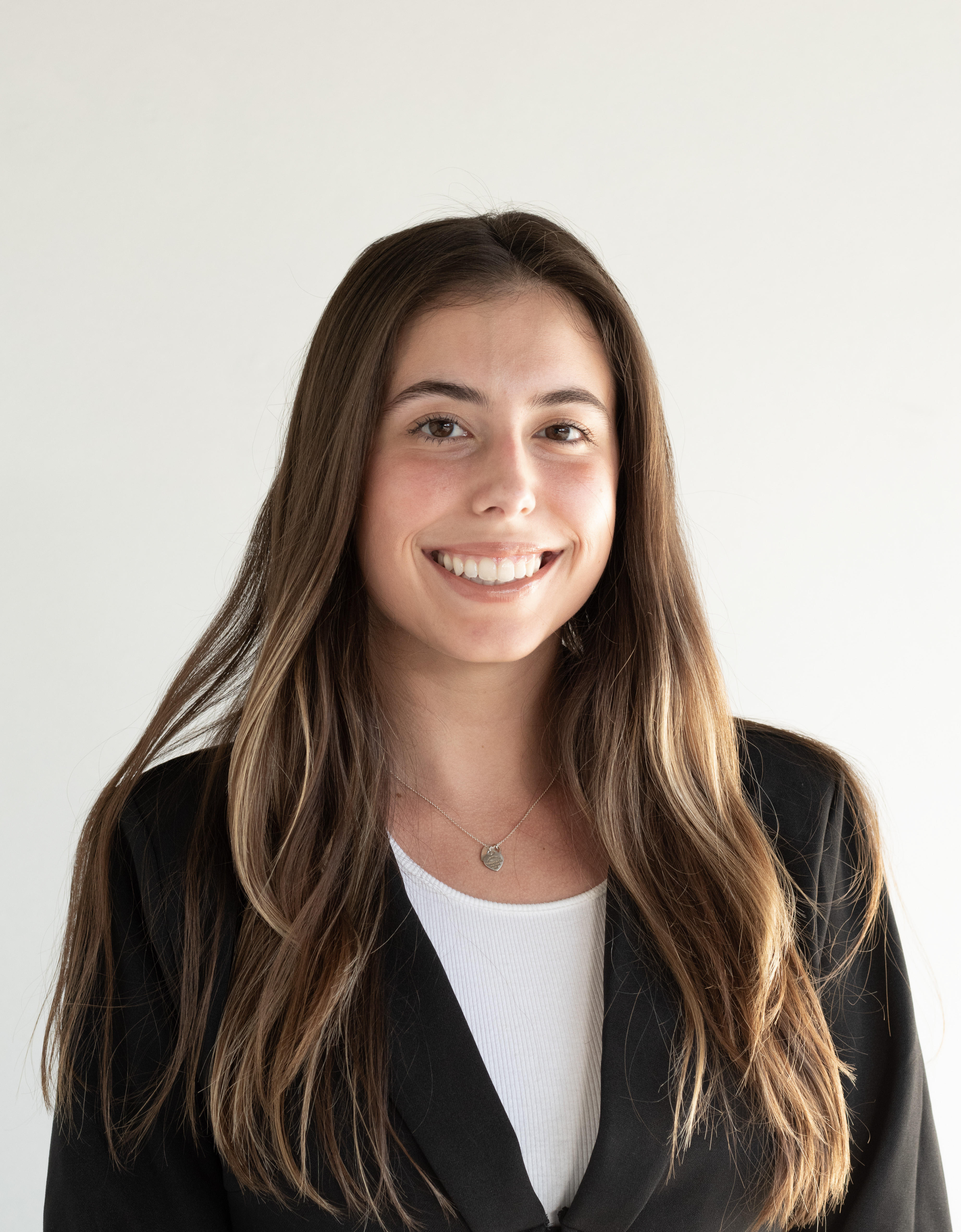
Greater Long COVID Symptomology Among Young Adults Than Older Adults

Despite the ending of the pandemic, a substantial percentage of individuals continued to experience long COVID symptoms. Less is known about the age of individuals most likely to experience long COVID. This study showed that young adults have a unique profile that must be considered in approaches to clinical management.

Learning Objectives:
  • Describe the impact of long-covid on cognition in adults diagnosed with COVID-19.
  • Describe the interrelationship between age and long-COVID diagnosis and subsequent impairment.
  • Describe the difficulties of young adults who are diagnosed with long COVID.
speaker headshot Valeria Gonzalez Perez
MA, CCC-SLP
time icon07/10/2026 12:45 pm to
01:45 pm

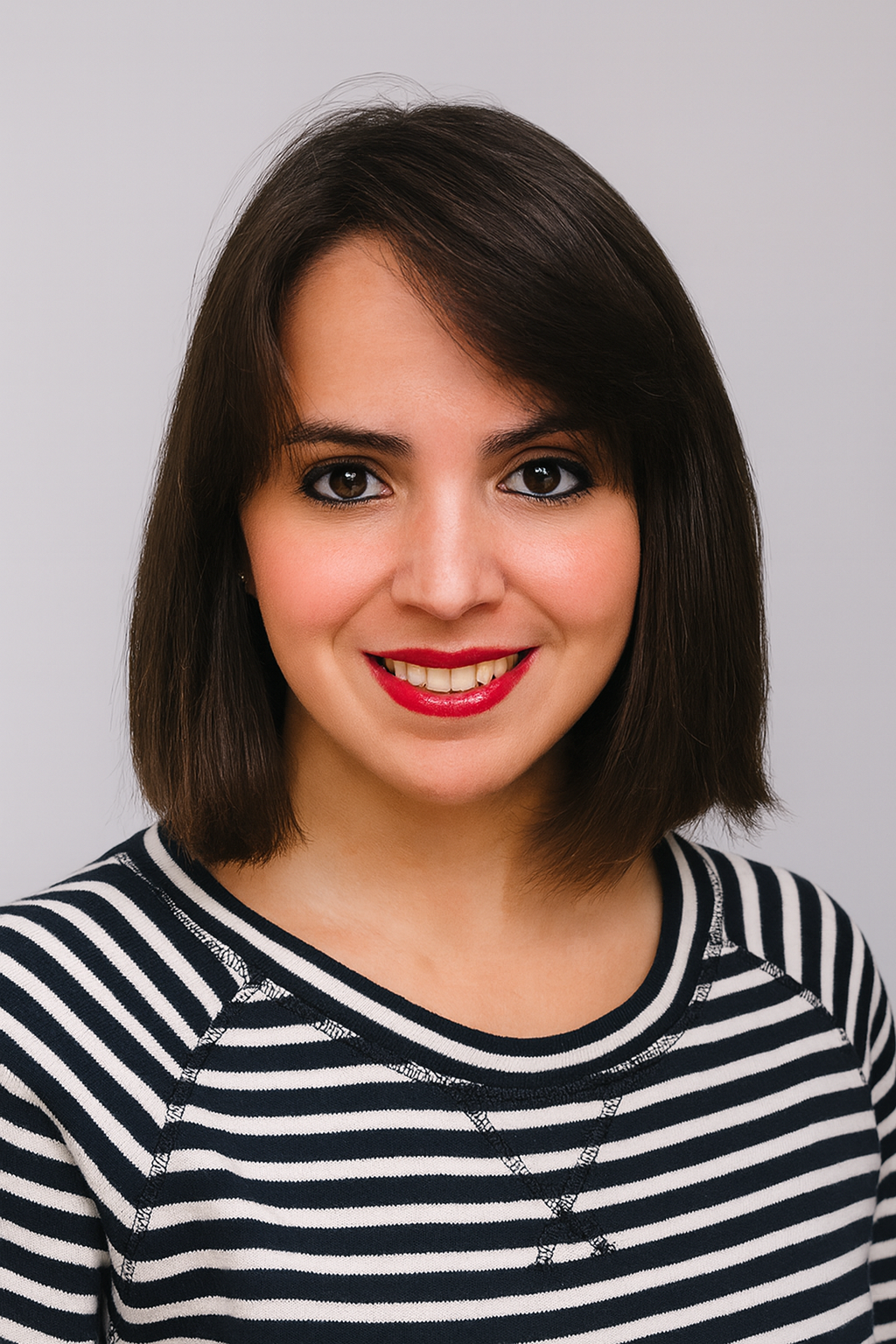
From Barriers to Solutions: Strengthening Graduate Student Readiness for Medical

Preparing graduate students for medical speech language pathology placements remains a significant challenge for academic programs and clinical educators. This poster presents national survey findings describing gaps in applied clinical skills and readiness. Results highlight educator recommendations to improve clinical reasoning, increase exposure to medically complex patients, and strengthen preparation

Learning Objectives:
  • Describe common challenges clinical educators identify in graduate student readiness for medical placements.
  • Analyze educator-recommended strategies for improving applied clinical skills in medical settings.
  • Apply evidence-based approaches to enhance student confidence and preparation before medical placements
speaker headshot Christina Perez
other, DHSc. CCC-SLP
time icon07/10/2026 12:45 pm to
01:45 pm

Perceptions of a Summer Camp for Deaf/Hard of Hearing Children

This study explores perceptions of caregivers of children who attended a Deaf and/or Hard of Hearing focused summer camp and Communication Science and Disorders graduate students who served as camp facilitators. Survey analyses revealed that both caregivers and facilitators viewed the camp experience positively, especially regarding social and emotional connections.

Learning Objectives:

  • Describe parent’s perceptions of the effectiveness of a Listening and Spoken Language-based camp experience (Listen Camp) in supporting their child’s communication, listening, and social development.
  • Explain graduate student’s perceptions of the effectiveness of a Listening and Spoken Language-based camp experience (Listen Camp) in supporting their educational experience.
  • Apply findings from the study to future program planning or clinician training that promotes listening and spoken language skill development in a naturalistic setting.
speaker headshot Timea Hyatt
MS, CCC-SLP
speaker headshot Billy Holden Allen

speaker headshot Linda Sasser

speaker headshot Carla Wood

speaker headshot Ashley Ippolito
MS, CCC-SLP
time icon07/10/2026 12:45 pm to
01:45 pm

ScriptSense in Action: Advancing Accessible Linguistic Analysis of Student Writing

This session introduces ScriptSense, a web-based platform for accessible analysis of student writing. A pilot study of third-grade narratives illustrates how ScriptSense highlights overlooked linguistic strengths, and a validation study confirms strong reliability against hand-coding. Attendees will explore applications for research, clinical practice, and accessible writing assessment.

Learning Objectives:

  • Describe the core features of ScriptSense and its applications for analyzing student writing in clinical, educational, and research contexts.
  • Interpret findings from a pilot and validation study that examined ScriptSense’s capacity to highlight linguistic strengths and align with hand-coded analyses.
  • Apply ScriptSense outputs to practice by considering implications for accessible assessment, instructional planning, and future research directions.
speaker headshot Ashley Ippolito
MS, CCC-SLP
time icon07/10/2026 12:45 pm to
01:45 pm

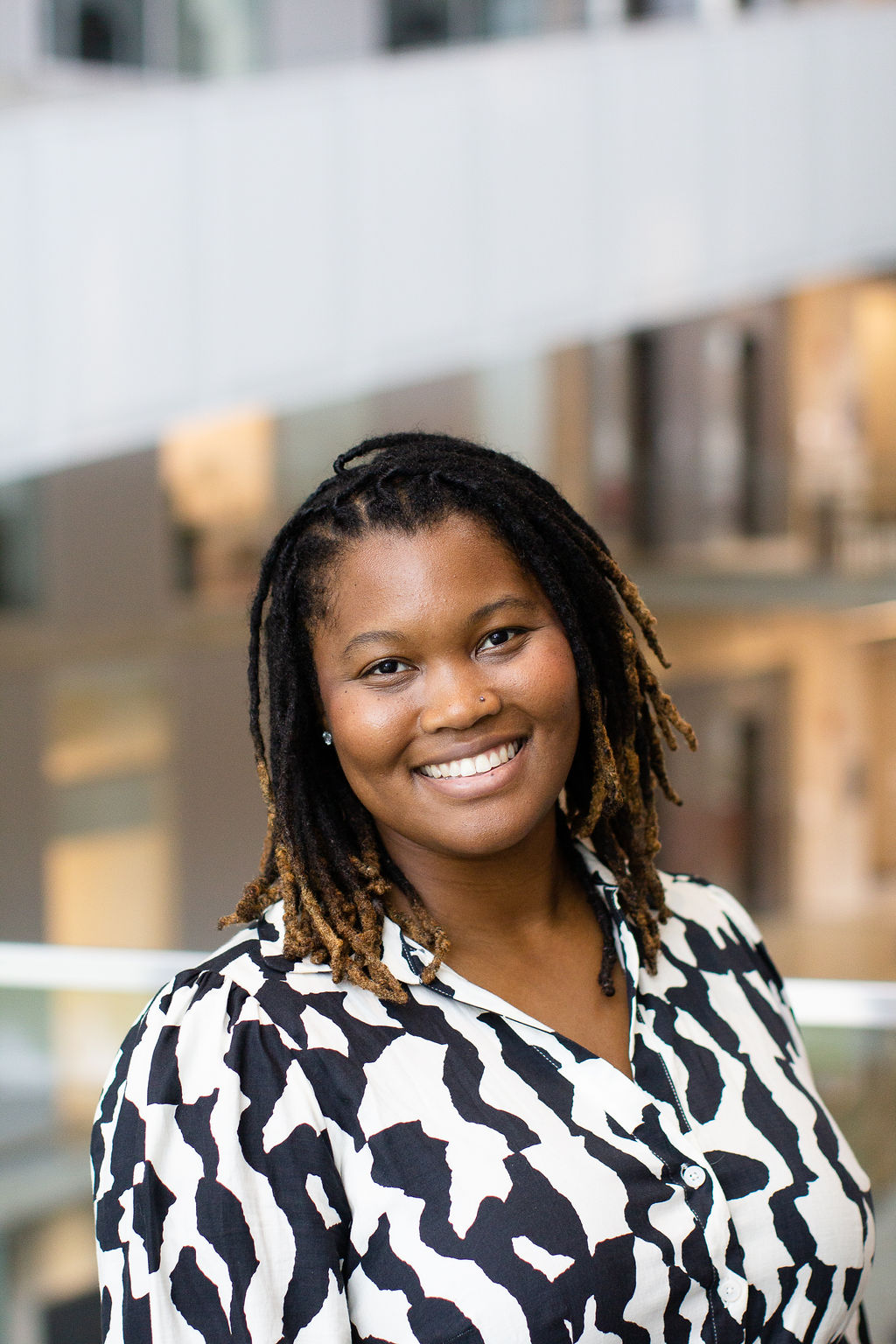
Investigating Linguistic Inequality in AI

Artificial intelligence tools like speech-to-text systems are becoming more common in classrooms and clinics, yet little is known about how well they work for young children who speak different dialects of English. This study examined Google’s ASR accuracy for 4–9-year-old African American English (AAE) and Mainstream American English (MAE) speakers.

Learning objectives:
  • Describe various AI tools used by children at home and in the community
  • Identify characteristics of AAE and factors that influence productions
  • describe evidence which impacts speech to text accuracies for child AAE speech
speaker headshot Brittany Fletcher
Ph.D, CCC-SLP
speaker headshot Wei-Wen Hsu
other, PhD
speaker headshot Vesna Novak
other, PhD
speaker headshot Mary Wilkens
BA
speaker headshot Amy Hobek
Ph.D, CCC-SLP
speaker headshot Amy Pratt
Ph.D, CCC-SLP
speaker headshot Michelle Leon
Ph.D, CCC-SLP
speaker headshot Kimmerly Harrell
Ph.D, CCC-SLP
speaker headshot Victoria McKenna
Ph.D, CCC-SLP
time icon07/10/2026 02:15 pm to
04:15 pm

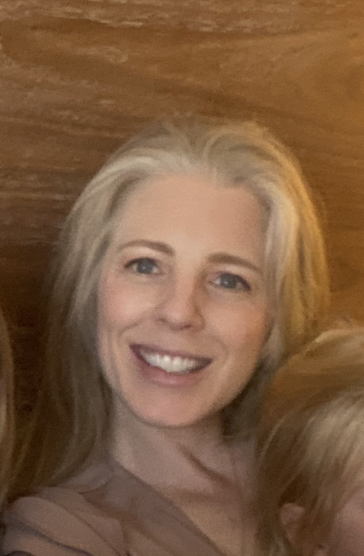
Unifying Speech Sound Disorder Treatment: Including Cleft and Velopharyngeal Dysfunction

This seminar unifies speech sound disorders (SSD) and cleft/velopharyngeal dysfunction management by highlighting shared treatment principles across SSDs. Clinicians will learn to distinguish obligatory versus compensatory errors, apply motor learning and phonological frameworks, and use evidence-based strategies to improve outcomes. Case examples build confidence in assessing and treating cleft-related SSD.

Learning Objectives:
  • Attendees will contrast obligatory VPD errors (i.e.- structural) from maladaptive compensatory errors (i.e.- functional) requiring speech intervention.
  • Attendees will apply articulation, motor learning, and phonological principles to treating cleft/VPD and other SSDs.
  • Attendees will describe how to implement phonetic shaping, cognitive reframing, and facilitative contexts to improve treatment efficacy.
speaker headshot Kristen DeLuca
MS, CCC-SLP
time icon07/10/2026 02:15 pm to
04:15 pm

Making Medicaid Work: Real Cases, Real Tools, and Real Results

Coral B

This session provides a practical, case-based walkthrough of Medicaid appeals and Fair Hearings for pediatric therapy providers. Using real Florida examples, participants will learn how to interpret ABDs, build strong written appeals grounded in EPSDT, organize evidence, and support families through due-process rights to restore access to medically necessary services.

Learning Objectives:

  • Identify key components of a Notice of Adverse Benefit Determination (ABD) and determine when an appeal or Fair Hearing is warranted.
  • Describe how to construct a strong written Medicaid appeal using EPSDT requirements, clinical documentation, and family impact statements.
  • Apply a case-based framework to organize evidence and prepare families for the Fair Hearing process to restore access to medically necessary pediatric therapy.
speaker headshot Charlene Westman
MA, CCC-SLP
speaker headshot Deborah Campbell
Ph.D, CCC-SLP
time icon07/10/2026 02:15 pm to
03:15 pm

Assessing Language Development in Spanish-English Bilingual Students

This session highlights the most current tools for screening and assessing Spanish-English bilingual elementary students. Clinicians will examine each tool’s psychometric properties, strengths, and limitations, learn strategies for interpreting scores, and explore alternative assessment approaches– leaving with evidence-based resources to more effectively evaluate bilingual students’ language development.

Learning Objectives:
  • Identify the language screeners and assessments available for Spanish-English bilinguals.
  • Analyze the psychometric properties and research behind the available Spanish-English assessment tools.
  • Describe limitations in using current Spanish-English bilingual assessment tools and potential solutions.
speaker headshot Christy Timm Fulkerson
Ph.D, CCC-SLP
time icon07/10/2026 02:15 pm to
03:15 pm

Mind-Body Practices in Speech-Language Pathology: Evidence, Application, and Interdisciplinary Perspectives

This session explores the integration of mind-body practices—yoga, mindfulness, and breathwork into speech-language pathology. Presenters will review current research, demonstrate practical applications for diverse clinical populations, and discuss interdisciplinary collaboration. Attendees will gain actionable strategies to enhance patient outcomes, family engagement and clinician well-being through evidence-based mind-body interventions.

Learning Objectives:
  • Attendees will be able to describe the foundational principles and evidence supporting mind-body practices (yoga, mindfulness, breathwork) in speech-language pathology.
  • Attendees will be able to demonstrate at least three mind-body techniques adaptable for individuals with communication and swallowing disorders.
  • Attendees will be able to summarize a plan to integrate mind-body practices into clinical sessions, tailored to specific patient populations and settings.
speaker headshot Mario Landera
SLP.D, CCC-SLP
speaker headshot Adam Lloyd
SLP.D, CCC-SLP
speaker headshot Julia Gerhard
other,DMA CCC-SLP
time icon07/10/2026 02:15 pm to
04:15 pm

Stuttering as Verbal Diversity: SLP Roles in Stutter-Affirming Therapy

Oceana A

As our profession shifts to neurodiversity-affirming therapy in all aspects of clinical practice, many SLPs feel confused about changes in their roles for providing appropriate stuttering therapy. This presentation will end confusion by providing guidance regarding emerging SLP roles and practices that will focus on successful communication rather than fluency.

Learning Objectives:

  • Define the concept of stuttering as verbal diversity and how this mindset shift sets the stage for stutter-affirming practices
  • Describe SLP roles in creating client-centered goals
  • List 3 benefits of stutter-affirming therapy
speaker headshot Nina Reeves
MS, CCC-SLP, BCS-SCF, F-ASHA
time icon07/10/2026 03:30 pm to
04:30 pm

Enhancing Workflow for School-Based Speech-Language Pathologists Through Artificial Intelligence

Coral DE

School-based speech-language pathologists (SLPs) face increasing demands for documentation, scheduling, and individualized therapy planning, often with limited time and resources. This presentation will explore how artificial intelligence (AI) can streamline these tasks without compromising clinical quality or ethical standards. Attendees will learn practical strategies for integrating AI tools into daily

Learning Objectives:

  • Identify AI tools that improve administrative efficiency in school-based settings.
  • Describe applications of generative AI for creating customized therapy materials aligned with student-specific goals.
  • Analyze ethical and practical considerations for AI integration, including privacy, consent, and responsible use.
speaker headshot Bethany Walker
MS, CCC-SLP
speaker headshot Wyndi Capeci
ED.D, CCC-SLP
time icon07/10/2026 04:30 pm to
06:00 pm

Swipe Right for Services: How Tech Helps Families Reach Care

Coral C

This session examines how digital tools can expand access to pediatric speech and feeding services by improving early identification, simplifying referral pathways, and strengthening caregiver engagement. Through examples from clinical settings, community work, and health innovation practice, the session offers practical strategies for integrating technology into care.

Learning Objectives:

  • Identify common access barriers experienced by families seeking pediatric speech and feeding services.
  • Describe at least three technology enabled strategies that support earlier identification and referral to SLP services
  • Explain how digital tools can improve caregiver engagement, interdisciplinary communication, and care pathways across pediatric settings.
speaker headshot Cindy Herdé
SLP.D, CCC-SLP
time icon07/10/2026 04:30 pm to
06:00 pm

When Feeding Challenges Signal More Than Pediatric Feeding Disorders(PFD)

Coral B

Feeding challenges in children often lead to a Pediatric Feeding Disorder (PFD) diagnosis, defined by inadequate intake for age. However, this label can mask underlying swallowing dysfunction, structural anomalies, or medical issues. This session explores comprehensive evaluation strategies to uncover root causes and ensure accurate diagnosis for effective intervention.

Learning Objectives:

  • Key diagnostic criteria between Pediatric Feeding Disorder (PFD) and other feeding/swallowing disorders by recognizing when poor oral intake may indicate a more complex underlying condition.
  • Comprehensive evaluation strategies that help uncover physiological, structural, or medical factors contributing to feeding challenges, including the role of instrumental assessments and interdisciplinary collaboration.
  • Evidence-based clinical decision-making to develop targeted treatment plans that address both behavioral and physiological components of feeding and swallowing difficulties, ensuring accurate diagnosis and effective intervention.
speaker headshot Deborah Campbell
Ph.D, CCC-SLP
time icon07/10/2026 04:45 pm to
05:45 pm

Stuttering Panel

Have you ever had a question for a person who stutters and/or a speech pathogist who is an expert on stuttering? Have you wanted a glimpse into the mind and life of a stutterer? This panel will help elucidate those questions, and so many more!

Learning Objectives:

  • Explore relationships with those that stutter
  • Compare and contrast views of both people who stutter and pathologists/experts in the field of stuttering. 
  • Explain how to challenge the stigma of stuttering 
speaker headshot Dennis Szymanski
other,Ph.D. - Materials Science and Engineering & Person Who Stutters
time icon07/11/2026 07:30 am to
08:30 am

FLASHA Business Meeting and Breakfast

Oceana A

Joi FLASHA for the annual business meeting and enjoy breakfast!

time icon07/11/2026 08:30 am to
09:30 am

Using Books to Target Communication Goals in Therapy

Oceana A

This session equips SLPs with practical strategies for using inclusive children's books to target communication goals. Attendees will learn to write functional, measurable goals, design integrated activities, and collect meaningful data- all while delivering engaging literacy-based intervention.

Learning Objectives:

  • List the components and research-based benefits of the Literacy-Based Therapy framework for targeting speech, language, and social communication skills.
  • Identify books that are developmentally appropriate and goal-aligned, while considering factors such as diversity, engagement, thematic relevance, and linguistic complexity.
  • Demonstrate how to develop therapy sessions using literacy-based intervention, including writing functional and measurable goals, planning aligned activities, and collecting data to monitor progress across sessions.
speaker headshot Shontaye Glover Jones
MS, CCC-SLP
time icon07/11/2026 08:30 am to
09:30 am

From PVFM and ILO to Unspecified Dyspnea; Dysfunctional Breathing

Coral C

This presentation explores dysfunctional breathing, including paradoxical vocal fold motion, inducible laryngeal obstruction, and exertional dyspnea. It outlines diagnostic pathways, differentiating features, and the speech-language pathologist’s role in assessment and treatment. Through case studies and evidence-based techniques such as Buteyko and biphasic breathing, it emphasizes multidisciplinary management for improved respiratory

Learning Objectives:
  • Define normal laryngeal anatomy and function
  • Identify the clinical presentation, and diagnostic profile of PVFM, and differentiate it from other causes of exertional dyspnea, including EILO, subglottic stenosis and exercise-induced asthma.
  • Demonstrate an appropriate diagnostic pathway for suspected PVFM/EILO, including when to pursue laryngoscopic evaluation and multidisciplinary assessment and treatment.
speaker headshot Rebecca Goldstein
MA, CCC-SLP
speaker headshot Ashley Davis
MS, CCC-SLP
time icon07/11/2026 08:30 am to
09:30 am

The Knowledge Quest

Coral DE

Students and the audience will be presented with Praxis prep questions in a game show format. Subject matter experts will provide clarification and examples for questions requiring greater focus.

Learning Objectives:

  • Integrate information from clinical and professional practice of Speech/Language pathology and Audiology to answer each question.
  • Explain the most up to date information regarding evaluation, assessment, norms, and standards of practice related to speech science, anatomy/physiology, dysphagia, and audiology.
  • Analyze 3. Participants will score their performance on test questions and analyze areas for improvement as related to the field of speech-language pathology.
speaker headshot Phillip Erkkila
MA, CCC-SLP
time icon07/11/2026 09:40 am to
10:40 am

Elevating Our School-Based Assessments in Today's World

Oceana A

Learn how to streamline and strengthen your school-based speech-language assessments. This session covers informal tools, culturally responsive practices, and legally sound documentation strategies—empowering SLPs to assess with confidence, accuracy, and clarity.

Learning Objectives:

  • Identify three ways to write more defensible and team-friendly evaluation summaries.
  • Describe how to align assessments with IDEA requirements and best practices.
  • Explain how to be culturally responsive when assessing diverse learners.
speaker headshot Sydney Bassard
other,MSP, CCC-SLP
time icon07/11/2026 09:40 am to
10:40 am

Launching a FEES Program: From Vision to Implementation

Coral C

This presentation outlines the key steps for implementing a successful Fiberoptic Endoscopic Evaluation of Swallowing (FEES) program in an inpatient hospital setting. It covers equipment acquisition, clinician training, and workflow integration, offering practical guidance to speech-language pathologists seeking to expand their diagnostic capabilities with FEES.

Learning Objectives:

  • Develop the ability to analyze patient data to identify appropriate candidates for Fiberoptic Endoscopic Evaluation of Swallowing (FEES), based on clinical indicators and assessment criteria
  • Compare the benefits and limitations of Fiberoptic Endoscopic Evaluation of Swallowing (FEES) and Videofluoroscopic Swallow Studies (VFSS) to support evidence-based selection of assessment tools for dysphagia management
  • Demonstrate the financial planning and educational competencies necessary for successful implementation of Fiberoptic Endoscopic Evaluation of Swallowing (FEES) within a clinical setting
speaker headshot Antonietta Mastrota
MS, CCC-SLP
speaker headshot Brittany Burton
MA, CCC-SLP
time icon07/11/2026 09:40 am to
10:40 am

CF mentorship and AI: Some things you just can't Google

Coral DE

Clinical Fellows (CFs) have many ways to build their own therapy toolbox at the click of the mouse, yet one timeless resource remains irreplaceable: the CF mentor. This presentation explores how mentorship complements technology through three essential learning strategies—questions, feedback, and encouragement.

Learning Objectives:

  • Identify components of effective questioning between CFs and mentors.
  • Demonstrate evidence-based feedback and supervision strategies during the Clinical Fellowship.
  • Apply newly learned strategies through realistic case scenarios.
speaker headshot Elizabeth Pozen
MS, CCC-SLP
time icon07/11/2026 11:05 am to
12:35 pm

Voice Grand Rounds - The Common Culprits

Coral DE

Voice cases with common diagnoses will be presented starting with patient symptoms, history, and evaluation. Evaluation will include perceptual analysis, acoustic and aerodynamic assessment, and videostroboscopy. There will be a discussion of treatment and follow up will be presented. There will be questions and discussion with audience participation after each.

Learning Objectives:

  • Define common voice disorders and current evaluation methods for voice disorders
  • Identify common voice disorders, and know when to refer to another specialist or treat
  • Apply voice therapy techniques and counseling for common voice disorders in their own clinics within the context of evidence-based practice
speaker headshot Maria Murljacic
MS, CCC-SLP
speaker headshot Robert Fritz
MS, CCC-SLP
speaker headshot Megan Urbano
MS, CCC-SLP
speaker headshot Hélène Fisher
SLP.D, CCC-SLP
speaker headshot Alicia Rogers
MA, CCC-SLP
speaker headshot Rebecca Gould
MS, CCC-SLP
time icon07/11/2026 11:05 am to
12:35 pm

Ethical AAC Decision-Making in Real Classrooms

Oceana A

AAC implementation in schools requires more than providing devices. This session examines real classroom decision-making and challenges “always” and “never” thinking in AAC practice. Through practical examples, participants will explore how modeling, scaffolding, and collaborative problem-solving support communication outcomes while protecting long-term access.

Learning Objectives:

  • Differentiate between AAC access as a device and AAC access as a system of support by identifying at least three instructional components necessary for effective AAC implementation in school settings.
  • Analyze common classroom AAC challenges (e.g., repetitive use, limited engagement, team pressure to restrict access) and select appropriate, ethical response strategies based on learner needs and AAC competency frameworks.
  • Apply a structured decision-making framework to determine when AAC scaffolding or instructional adjustments are warranted while preserving learner autonomy and long-term communication access.
speaker headshot Alyssa Croll
M.S., CCC-SLP
time icon07/11/2026 11:30 am to
12:30 pm

Team Screening Tool to Assess Infant Oral Motor Feeding Difficulties

Coral C

Infants with poor suck often present complex feeding challenges. To address this, AdventHealth Orlando Lactation Consultants collaborated with Debra Beckman, MS, CCC-SLP, to develop the Manual Oral Motor Breastfeeding Examination Screening Tool (MOMBEST). This team-based, IRB-reviewed tool identifies functional oral motor deficits, improving interdisciplinary assessment and breastfeeding outcomes.

Learning Objectives:
  • DESCRIBE the components and purpose of the Manual Oral Motor Breastfeeding Examination Screening Tool (MOMBEST)
  • IDENTIFY functional oral motor signs in infants with poor suck that may warrant SLP referral
  • Formulate strategies for collaborating with perinatal team members to implement a team-based approach to early feeding challenges
speaker headshot Debra Beckman
MS, CCC-SLP
time icon07/11/2026 12:40 pm to
01:40 pm

Student Poster Session

Oceana Foyer
time icon07/11/2026 12:40 pm to
01:40 pm

IPE matters: Dental techniques in Craniofacial Care (student led education)

Oceana Foyer

A student in Medical Humanities co-taught a graduate-level session on Nasoalveolar Molding (NAM) to showcase the need for understanding roles in Craniofacial care. The interprofessional education (IPE) event will be showcased which included a NAM and feeding case review, pre/post polls, and an IPE assessment highlighting collaborative learning benefits.

Learning Objectives:
  • define interprofessional education (IPE) and its need in Graduate programming
  • summarize the benefits of IPE in Craniofacial care
  • explain the need for evaluation/reflection after the IPE event using a standardized tool.
speaker headshot Tambi Braun
SLP.D, CCC-SLP
speaker headshot Daniel Johnson
other, High School Diploma
time icon07/11/2026 12:40 pm to
01:40 pm

Developmental Language Disorder and the Seductive Details Effect

Oceana Foyer

Many texts students read include interesting yet loosely related, or “seductive,” details, which often hinder learning. This study evaluated the effect of seductive details on the learning performance of children ages 9-12 with and without developmental language disorder, as well as a potential mitigator of this effect.

Learning Objectives:
  • Explain what the seductive details effect is and why seductive details might hinder learning more for children with DLD.
  • Analyze the different types of signaling in terms of which would likely be best for mitigating the seductive details effect in children with and without DLD.
  • Describe the results of the present study in terms of if signaling can mitigate the seductive details effect for children with and without DLD.


speaker headshot Allison Dobuler
BS
speaker headshot Christy Timm Fulkerson
Ph.D, CCC-SLP
speaker headshot Anne van Zelst
Ph.D, CCC-SLP
time icon07/11/2026 12:40 pm to
01:40 pm

Women With Aphasia

Oceana Foyer

Sex differences have been reported in underlying mechanisms of stroke. Less attention has been given to post-stroke conditions such as aphasia where sex differences have also been reported. Additionally, very minimal focus has been given specifically to women with aphasia. 

Learning Objectives: 
  • Describe the impact of aphasia among women who experienced a stroke.
  • Describe the interrelationship between female sex and aphasia profiles and aphasia severity.
  • Describe the unique issues that women experience after being diagnosed with aphasia.
speaker headshot Zoe Dupont
BS
speaker headshot Charles Ellis
Ph.D, CCC-SLP
time icon07/11/2026 12:40 pm to
01:40 pm

Profile of Aphasia Following Young Stroke: Evidence from the AphasiaBank

Oceana Foyer

The study of stroke among young adults has shown differences in a) risk factor profile, b) underlying mechanisms that cause stroke and c) stroke-related outcomes. Less is known about post-stroke conditions such as aphasia. In this study, we profile aphasia in young adults using data from the AphasiaBank.

Learning Objectives:
  • Describe the impact of aphasia in non-traditional young adults with stroke.
  • Describe the interrelationship between age and aphasia onset and subsequent impairment.
  • Describe the difficulties of young adults who experience stroke and aphasia.
speaker headshot Zurii Tucker
BS
speaker headshot Charles Ellis
Ph.D, CCC-SLP
time icon07/11/2026 12:40 pm to
01:40 pm

Community Awareness of Noise Exposure and Hearing Health

Oceana Foyer

A community survey assessed adult knowledge of hearing health and noise exposure. Participants demonstrated varying awareness of safe listening and protection strategies. Results support the development of public health initiatives aimed at improving hearing conservation behaviors.

Learning Objectives:
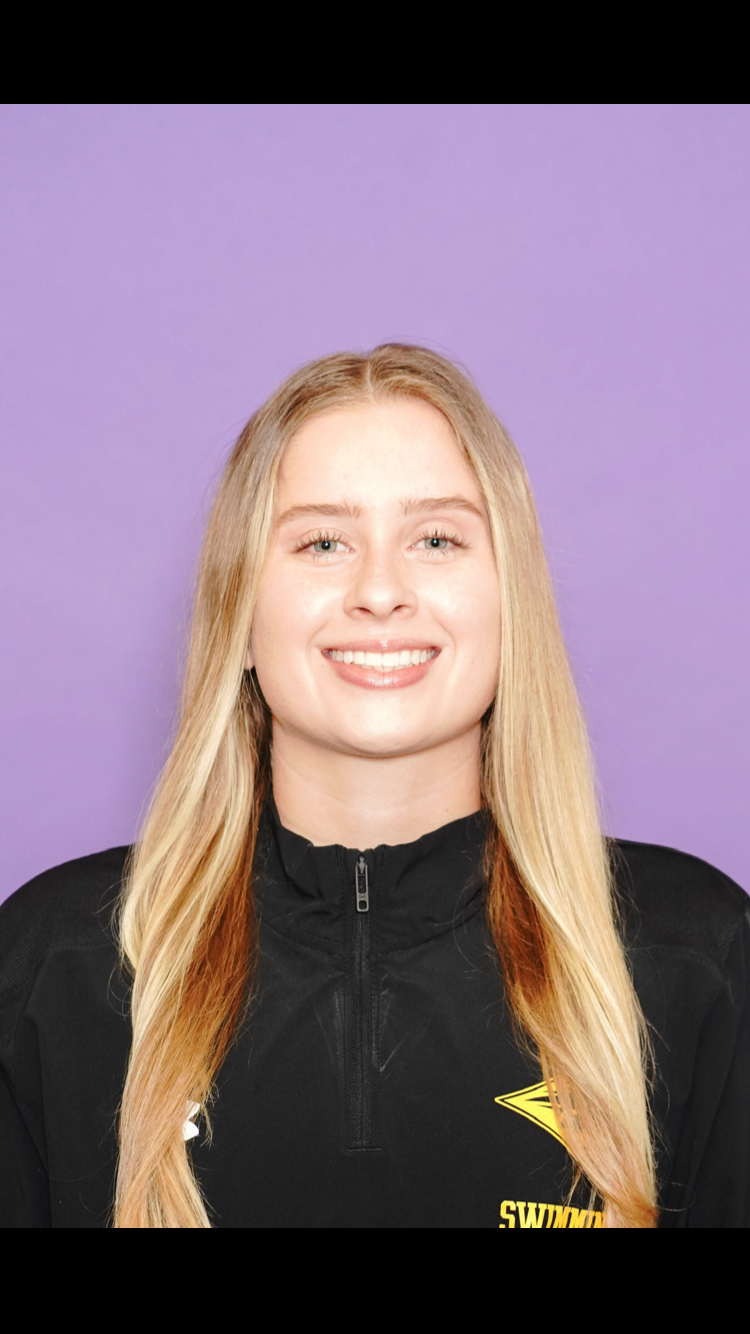
  • Describe current levels of community awareness regarding noise exposure and hearing health based on survey findings.
  • Interpret key data trends to recognize common misconceptions about noise-induced hearing loss and hearing protection.
  • Apply insights from the survey to formulate strategies for improving community education on hearing health and safe listening practices.
speaker headshot Erica Mills
BA
speaker headshot Elizabeth Tobener
Au.D, CCC-A
time icon07/11/2026 12:40 pm to
01:40 pm

Utilizing Hyperbaric Oxygen Therapy To Improve Speech, Language, and Hearing

Hyperbaric oxygen therapy (HBOT) boosts recovery in neurological and sensory conditions. In stroke, cerebral palsy, autism, and sudden sensorineural hearing loss, findings show improved speech, language, and hearing outcomes when HBOT is used as an adjunctive treatment. Further research is warranted to determine appropriate intervention protocols for heterogeneous patient populations.

Learning Objectives:

  • Explain the role that HBOT plays in the recovery of neurological conditions.
  • Identify which speech, language and hearing disorders are potential targets for HBOT treatments.
  • Describe the interrelationship between HBOT and brain recovery after neurological disease or injury.
speaker headshot Reagan Cutich
BA
speaker headshot Charles Ellis
Ph.D, CCC-SLP
time icon07/11/2026 02:00 pm to
03:00 pm

Strengthening the Circle of Support: Educating Adults About Childhood Stuttering

Coral C

This session presents a practical model for educating parents and school staff about stuttering. Participants will explore ways to design and implement effective stuttering education programs tailored for families and school staff.

Learning Objectives:
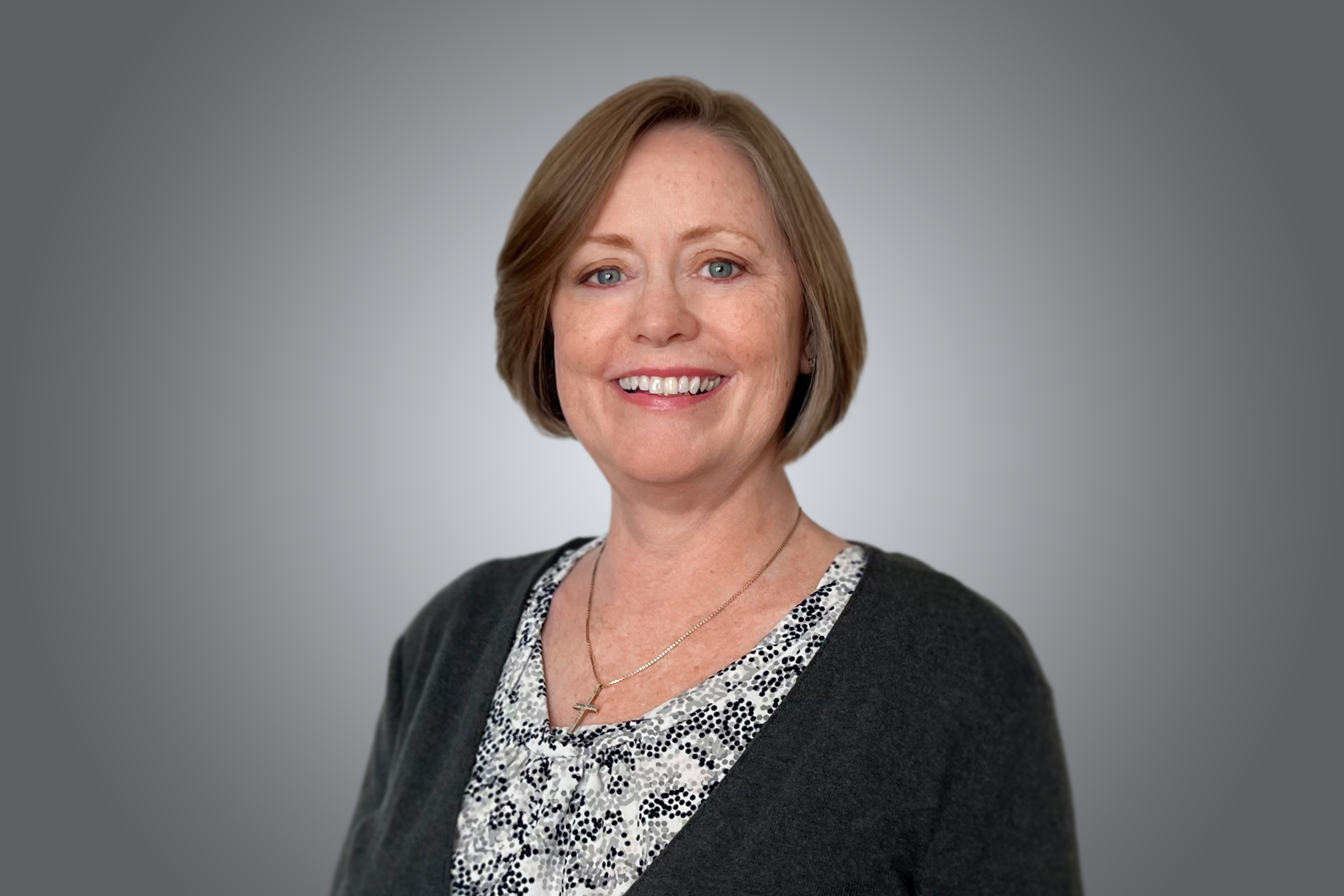
  • list strategies and activities for parent and teacher education related to stuttering.
  • Key components, topics, and activities within an effective stuttering education program for parents and teachers.
  • Apply practical strategies for implementing stuttering education initiatives that foster supportive communication environments for students.
speaker headshot Eileen Petersen
MS, CCC-SLP
time icon07/11/2026 02:00 pm to
04:00 pm

Bridging the Gap: Supervising the Next Generation of Speech Pathology Students

Oceana A

This lecture explores best practices in supervising speech pathology students, with a focus on fostering clinical competence, confidence, and professional identity. Participants will examine practical frameworks for delivering constructive feedback, structuring supervision sessions, and adapting their approach to different learner levels. Emphasis is placed on balancing student support with client outcomes, navigating common challenges, and promoting reflective practice. Attendees will leave with actionable tools to enhance their effectiveness as clinical educators in a variety of speech-language pathology settings.

Learning Objectives:

  • Identify 3 key components of effective clinical supervision in speech-language pathology, including feedback, goal-setting, and performance evaluation.

  • Identify evidence-based strategies to support student learning, clinical reasoning, and professional development across settings.

  • State at least 2 different supervision approaches to meet the needs of diverse learners while maintaining client care quality and ethical standards.

speaker headshot Jenna Nassar
MS, CCC-SLP, BCS-S
time icon07/11/2026 02:00 pm to
04:00 pm

Medical Errors

Coral DE

This session, specifically designed for for speech-language pathologists and audiologists, satisfies Florida's two hour requirement on the prevention of medical errors discussing adverse events, sentinel events, near misses and the role of Root Cause Analysis. In it, you will learn how you can prevent medical errors and avoid being one.

Learning Objectives:

  • Identify types of medical errors
  • Define adverse events
  • Explain the importance of near misses in preventing future medical errors
speaker headshot Timothy Kowalski
MA, CCC-SLP
time icon07/11/2026 03:00 pm to
04:00 pm

AI Tools for Efficient Language Sample Analysis

Coral C

This session demonstrates practical strategies for leveraging AI tools to streamline language sample analysis with school-age children. Attendees will explore accessible applications for transcription and written language analysis, gaining hands-on experience to enhance efficiency, maintain reliability, and integrate AI responsibly into clinical and educational assessment practices.

Learning Objectives:
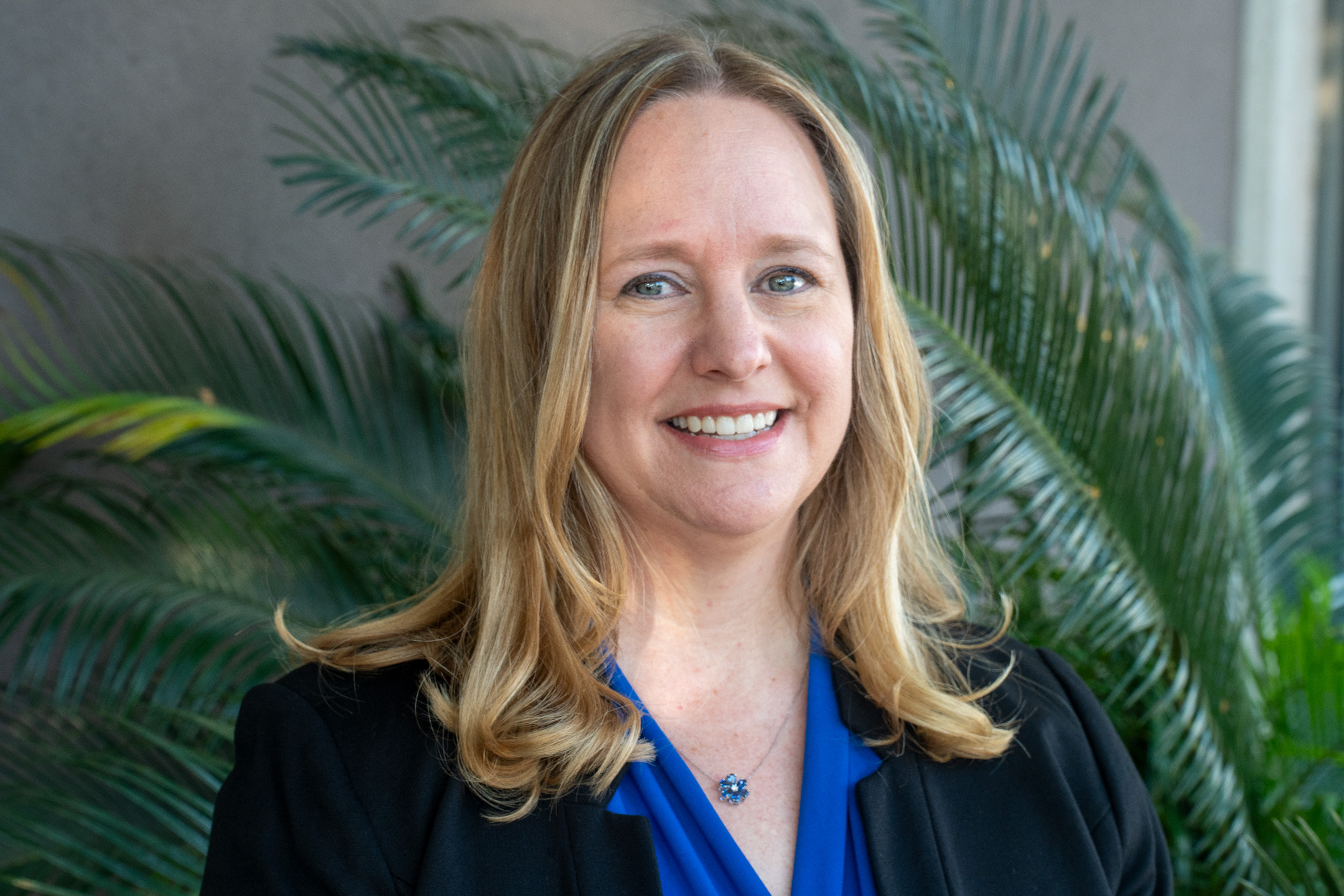
  • Experiment with AI applications to analyze children's writing samples
  • Analyze the accuracy and clinical utility of AI-generated analyses by comparing results across different tools
  • Identify when human verification of AI-generated analyses is necessary
speaker headshot Shannon Hall-Mills
Ph.D, CCC-SLP
speaker headshot Claire Dolly
MS, CCC-SLP
time icon07/11/2026 04:00 pm to
05:00 pm

The AI Powered SLP: Evidence-Based Therapy for Secondary Students

This presentation guides SLPs to strategically implement AI to improve efficiency in therapy planning, integrate curriculum materials, and provide a platform for evidence-based material creation for middle school and high school students. Specific examples will include vocabulary instruction, written language concepts, and academic text comprehension.

Learning Objectives:

  • Identify 2 AI strategies that you can implement into your weekly workflow to reduce time spent on therapy planning and individual therapy materials.
  • Explain how strategic prompting of AI tools can increase efficiency in two specific areas of secondary SLP therapy planning.
  • Apply 2 custom AI prompts to generate lesson materials that directly integrate specific language targets.
speaker headshot Phillip Erkkila
MA, CCC-SLP
speaker headshot Jill Glessner
other,M.H.S., CCC-SLP
time icon07/10/2026 06:00 pm to
08:00 pm

FLASHA Bash Awards & Comedy Show

Oceana A

Join us to celebrate the 2026 Awardees and party with Comedian and SLP Dr. Anthony Drew!

time icon07/11/2026 07:30 am to
08:30 am

FLASHA Business Meeting and Breakfast

Oceana A

Joi FLASHA for the annual business meeting and enjoy breakfast!

time icon07/10/2026 12:45 pm to
01:45 pm

Professional Poster Session

time icon07/10/2026 12:45 pm to
01:45 pm

Investigating Linguistic Inequality in AI

Artificial intelligence tools like speech-to-text systems are becoming more common in classrooms and clinics, yet little is known about how well they work for young children who speak different dialects of English. This study examined Google’s ASR accuracy for 4–9-year-old African American English (AAE) and Mainstream American English (MAE) speakers.

Learning objectives:

  • Describe various AI tools used by children at home and in the community
  • Identify characteristics of AAE and factors that influence productions
  • describe evidence which impacts speech to text accuracies for child AAE speech
speaker headshot Brittany Fletcher
Ph.D, CCC-SLP
speaker headshot Wei-Wen Hsu
other, PhD
speaker headshot Vesna Novak
other, PhD
speaker headshot Mary Wilkens
BA
speaker headshot Amy Hobek
Ph.D, CCC-SLP
speaker headshot Amy Pratt
Ph.D, CCC-SLP
speaker headshot Michelle Leon
Ph.D, CCC-SLP
speaker headshot Kimmerly Harrell
Ph.D, CCC-SLP
speaker headshot Victoria McKenna
Ph.D, CCC-SLP
time icon07/10/2026 12:45 pm to
01:45 pm

ScriptSense in Action: Advancing Accessible Linguistic Analysis of Student Writing

This session introduces ScriptSense, a web-based platform for accessible analysis of student writing. A pilot study of third-grade narratives illustrates how ScriptSense highlights overlooked linguistic strengths, and a validation study confirms strong reliability against hand-coding. Attendees will explore applications for research, clinical practice, and accessible writing assessment.

Learning Objectives:

  • Describe the core features of ScriptSense and its applications for analyzing student writing in clinical, educational, and research contexts.
  • Interpret findings from a pilot and validation study that examined ScriptSense’s capacity to highlight linguistic strengths and align with hand-coded analyses.
  • Apply ScriptSense outputs to practice by considering implications for accessible assessment, instructional planning, and future research directions.
speaker headshot Ashley Ippolito
MS, CCC-SLP
time icon07/10/2026 12:45 pm to
01:45 pm

Perceptions of a Summer Camp for Deaf/Hard of Hearing Children

This study explores perceptions of caregivers of children who attended a Deaf and/or Hard of Hearing focused summer camp and Communication Science and Disorders graduate students who served as camp facilitators. Survey analyses revealed that both caregivers and facilitators viewed the camp experience positively, especially regarding social and emotional connections.

Learning Objectives:

  • Describe parent’s perceptions of the effectiveness of a Listening and Spoken Language-based camp experience (Listen Camp) in supporting their child’s communication, listening, and social development.
  • Explain graduate student’s perceptions of the effectiveness of a Listening and Spoken Language-based camp experience (Listen Camp) in supporting their educational experience.
  • Apply findings from the study to future program planning or clinician training that promotes listening and spoken language skill development in a naturalistic setting.
speaker headshot Timea Hyatt
MS, CCC-SLP
speaker headshot Billy Holden Allen

speaker headshot Linda Sasser

speaker headshot Carla Wood

speaker headshot Ashley Ippolito
MS, CCC-SLP
time icon07/10/2026 12:45 pm to
01:45 pm

AAC for Adults with Broca’s Aphasia: Culturally-Responsive Interprofessional Practice

Individuals with Broca’s aphasia often struggle with limited verbal expression, and AAC devices can provide critical support for functional communication. This presentation highlights the need to describe the unique communication challenges faced by this population and provide strategies to use an interprofessional practice approach in fostering person-centered intervention.

Learning Objectives:

  • Describe the unique communication challenges faced by individuals diagnosed with aphasia and who rely on AAC
  • Describe strategies promoting an effective interprofessional practice approach when working with individuals diagnosed with Broca’s aphasia and who rely on AAC to foster person-centered intervention.
  • Describe strategies promoting effective collaboration when working with individuals diagnosed with Broca’s aphasia and who rely on AAC, and whose background differs from that of their interprofessional practice team.
speaker headshot Mariateresa Munoz
SLP.D, CCC-SLP
speaker headshot Gabriela Urivazo
other, MS-SLP
speaker headshot Suzette Bazan
other, MS-SLP
speaker headshot Nicole Sherwood
other, MS-SLP
speaker headshot Myrnelis Cotto-Ortiz
other, MS-SLP
time icon07/10/2026 12:45 pm to
01:45 pm

Promoting AAC Language Development through Child-Initiated, Gross-Motor Play Activities

This presentation describes the significance of incorporating child-initiated gross-motor play activities to support the language development of children who rely on AAC to communicate. The presenters will also provide research-based strategies demonstrating how physical movement embedded in child-led routines can naturally enhance expressive language, joint attention, and social reciprocity.

Learning Objectives:

  • Describe how gross-motor play supports language development in children using AAC
  • Describe the benefits of child-led interventions in promoting motivation and spontaneous communication in children using AAC
  • Identify ethical and practical considerations when integrating AAC strategies into movement-based activities.
speaker headshot Mariateresa Munoz
SLP.D, CCC-SLP
speaker headshot Mabel Aday
other, MS-SLP
speaker headshot Vanessa Alcalde
other, MS-SLP
speaker headshot Bianca Maderal
other, MS-SLP
speaker headshot Daniella Orbe
other, MS-SLP
speaker headshot Priscilla Villegas
other, MS-SLP
time icon07/10/2026 12:45 pm to
01:45 pm

Improving Clinical Competence in Medical Settings with High-Fidelity Simulations

Speech-language pathologists (SLPs) working in medical settings must demonstrate advanced clinical reasoning, rapid decision-making, and effective communication within interprofessional healthcare teams. However, developing these skills can be challenging within traditional classroom or limited clinical practicum experiences. High-fidelity simulation (HFS) offers a dynamic and evidence-based approach to bridge this gap.

Learning Objectives:

  • Describe the components and structure of high-fidelity simulation (HFS) as applied to speech-language pathology education and medical practice.
  • Analyze how simulation-based learning improves critical thinking, clinical decision-making, and interprofessional collaboration in medical SLP settings.
  • Apply evidence-based debriefing and scenario design strategies to develop or enhance simulation experiences that promote clinical competence in dysphagia, tracheostomy, and cognitive-communication care.
speaker headshot Jianwen Crump
ED.D, CCC-SLP
time icon07/10/2026 12:45 pm to
01:45 pm

Naming Ability in Older Bilingual Spanish English Adults

The purpose of this study was to examine how age and language proficiency affect naming ability in bilingual Spanish English older adults. Results revealed both age and language proficiency influence naming ability. English naming shows stronger links to age and proficiency whereas Spanish naming depends more on vocabulary.

Learning Objectives:

  • define Language proficiency after this presentation
  • compare naming ability for English and Spanish in bilingual adults
  • summarize influences of age on naming ability in bilingual English Spanish adults
speaker headshot Monica Hough
Ph.D, CCC-SLP
speaker headshot Juliana Foinquinos
other, M.S. CFY
speaker headshot Jonathan Romero
other,MS-SLP
speaker headshot Amanda Somano
other, M.S. CFY
speaker headshot Gabriela Urivazo
other, MS-SLP
time icon07/10/2026 12:45 pm to
01:45 pm

AI Meets Clinical Judgment: Shaping the Next Generation of SLPs

Artificial Intelligence (AI) is reshaping how future clinicians learn, think, and connect. As speech-language pathology integrates these tools into mentorship and supervision, opportunities and ethical challenges emerge. Building AI literacy while supporting clinical judgment is essential—but how can mentors balance innovation with the human connection central to clinical education?

Learning Objectives:

  • Identify key themes in current literature on AI use in speech-language pathology education and clinical training.
  • Explain the benefits and limitations of AI tools like ChatGPT in mentorship and student supervision.
  • Summarize a framework for ethical and effective integration of AI into a new mentorship program.
speaker headshot Jocelyn Slater
MS, CCC-SLP
speaker headshot Lisa Presti
MA, CCC-SLP
time icon07/10/2026 12:45 pm to
01:45 pm

Empowering Individuals with Aphasia: Implementation and Outcomes of an ICAP

The Florida State University Speech & Hearing Clinic developed and piloted an Intensive Comprehensive Aphasia Program (ICAP) to expand access to high-dosage, multimodal, person-centered aphasia rehabilitation. Guided by the Life Participation Approach to Aphasia and the A-FROM framework, the program aims to enhance communication outcomes and life participation for individuals.

Learning Objectives:

  • Identify core components, intensity parameters, and LPAA-aligned features of Intensive Comprehensive Aphasia Programs (ICAPs).
  • Explain how interdisciplinary, student-supported models enhance communication, psychosocial well-being, and participation outcomes for adults with aphasia.
  • Describe the logistical, financial, and training considerations for planning or refining an ICAP model within a university or community clinical setting.
speaker headshot Ellen Nimmons
other, M.C.D., CCC-SLP
speaker headshot Elizabeth Madden
Ph.D, CCC-SLP
speaker headshot Erin Bush
Ph.D, CCC-SLP
time icon07/10/2026 12:45 pm to
01:45 pm

Greater Long COVID Symptomology Among Young Adults Than Older Adults

Despite the ending of the pandemic, a substantial percentage of individuals continued to experience long COVID symptoms. Less is known about the age of individuals most likely to experience long COVID. This study showed that young adults have a unique profile that must be considered in approaches to clinical management.

Learning Objectives:

  • Describe the impact of long-covid on cognition in adults diagnosed with COVID-19.
  • Describe the interrelationship between age and long-COVID diagnosis and subsequent impairment.
  • Describe the difficulties of young adults who are diagnosed with long COVID.
speaker headshot Valeria Gonzalez Perez
MA, CCC-SLP
time icon07/10/2026 12:45 pm to
01:45 pm

From Barriers to Solutions: Strengthening Graduate Student Readiness for Medical

Preparing graduate students for medical speech language pathology placements remains a significant challenge for academic programs and clinical educators. This poster presents national survey findings describing gaps in applied clinical skills and readiness. Results highlight educator recommendations to improve clinical reasoning, increase exposure to medically complex patients, and strengthen preparation

Learning Objectives:

  • Describe common challenges clinical educators identify in graduate student readiness for medical placements.
  • Analyze educator-recommended strategies for improving applied clinical skills in medical settings.
  • Apply evidence-based approaches to enhance student confidence and preparation before medical placements
speaker headshot Christina Perez
other, DHSc. CCC-SLP
time icon07/11/2026 12:40 pm to
01:40 pm

Student Poster Session

Oceana Foyer
time icon07/11/2026 12:40 pm to
01:40 pm

Utilizing Hyperbaric Oxygen Therapy To Improve Speech, Language, and Hearing

Hyperbaric oxygen therapy (HBOT) boosts recovery in neurological and sensory conditions. In stroke, cerebral palsy, autism, and sudden sensorineural hearing loss, findings show improved speech, language, and hearing outcomes when HBOT is used as an adjunctive treatment. Further research is warranted to determine appropriate intervention protocols for heterogeneous patient populations.

Learning Objectives:

  • Explain the role that HBOT plays in the recovery of neurological conditions.
  • Identify which speech, language and hearing disorders are potential targets for HBOT treatments.
  • Describe the interrelationship between HBOT and brain recovery after neurological disease or injury.
speaker headshot Reagan Cutich
BA
speaker headshot Charles Ellis
Ph.D, CCC-SLP
time icon07/11/2026 12:40 pm to
01:40 pm

IPE matters: Dental techniques in Craniofacial Care (student led education)

Oceana Foyer

A student in Medical Humanities co-taught a graduate-level session on Nasoalveolar Molding (NAM) to showcase the need for understanding roles in Craniofacial care. The interprofessional education (IPE) event will be showcased which included a NAM and feeding case review, pre/post polls, and an IPE assessment highlighting collaborative learning benefits.

Learning Objectives:

  • define interprofessional education (IPE) and its need in Graduate programming
  • summarize the benefits of IPE in Craniofacial care
  • explain the need for evaluation/reflection after the IPE event using a standardized tool.
speaker headshot Tambi Braun
SLP.D, CCC-SLP
speaker headshot Daniel Johnson
other, High School Diploma
time icon07/11/2026 12:40 pm to
01:40 pm

Developmental Language Disorder and the Seductive Details Effect

Oceana Foyer

Many texts students read include interesting yet loosely related, or “seductive,” details, which often hinder learning. This study evaluated the effect of seductive details on the learning performance of children ages 9-12 with and without developmental language disorder, as well as a potential mitigator of this effect.

Learning Objectives:

  • Explain what the seductive details effect is and why seductive details might hinder learning more for children with DLD.
  • Analyze the different types of signaling in terms of which would likely be best for mitigating the seductive details effect in children with and without DLD.
  • Describe the results of the present study in terms of if signaling can mitigate the seductive details effect for children with and without DLD.


speaker headshot Allison Dobuler
BS
speaker headshot Christy Timm Fulkerson
Ph.D, CCC-SLP
speaker headshot Anne van Zelst
Ph.D, CCC-SLP
time icon07/11/2026 12:40 pm to
01:40 pm

Women With Aphasia

Oceana Foyer

Sex differences have been reported in underlying mechanisms of stroke. Less attention has been given to post-stroke conditions such as aphasia where sex differences have also been reported. Additionally, very minimal focus has been given specifically to women with aphasia. 

Learning Objectives: 

  • Describe the impact of aphasia among women who experienced a stroke.
  • Describe the interrelationship between female sex and aphasia profiles and aphasia severity.
  • Describe the unique issues that women experience after being diagnosed with aphasia.
speaker headshot Zoe Dupont
BS
speaker headshot Charles Ellis
Ph.D, CCC-SLP
time icon07/11/2026 12:40 pm to
01:40 pm

Profile of Aphasia Following Young Stroke: Evidence from the AphasiaBank

Oceana Foyer

The study of stroke among young adults has shown differences in a) risk factor profile, b) underlying mechanisms that cause stroke and c) stroke-related outcomes. Less is known about post-stroke conditions such as aphasia. In this study, we profile aphasia in young adults using data from the AphasiaBank.

Learning Objectives:

  • Describe the impact of aphasia in non-traditional young adults with stroke.
  • Describe the interrelationship between age and aphasia onset and subsequent impairment.
  • Describe the difficulties of young adults who experience stroke and aphasia.
speaker headshot Zurii Tucker
BS
speaker headshot Charles Ellis
Ph.D, CCC-SLP
time icon07/11/2026 12:40 pm to
01:40 pm

Community Awareness of Noise Exposure and Hearing Health

Oceana Foyer

A community survey assessed adult knowledge of hearing health and noise exposure. Participants demonstrated varying awareness of safe listening and protection strategies. Results support the development of public health initiatives aimed at improving hearing conservation behaviors.

Learning Objectives:

  • Describe current levels of community awareness regarding noise exposure and hearing health based on survey findings.
  • Interpret key data trends to recognize common misconceptions about noise-induced hearing loss and hearing protection.
  • Apply insights from the survey to formulate strategies for improving community education on hearing health and safe listening practices.
speaker headshot Erica Mills
BA
speaker headshot Elizabeth Tobener
Au.D, CCC-A
time icon07/10/2026 10:00 am to
11:30 am

If I Only Had the Words to Tell You

Oceana A

“If I Only Had the Words to Tell You” is a self-penned speech chronicling my life growing up with a stutter. Going past the contents of the speech, my presentation will include further personal anecdotes, as well as testimonials, reflecting on various elements and influences on my fluency journey.

Learning Objectives:

  • Describe the trials and tribulations of a life-long stutter 
  • Explain ways to overcome a stutter using "triggering" situations to encourage practicing fluency in more difficult circumstances.
  • identify steps to work with patients who stutter
speaker headshot Dennis Szymanski
other,Ph.D. - Materials Science and Engineering & Person Who Stutters
time icon07/10/2026 04:45 pm to
05:45 pm

Stuttering Panel

Have you ever had a question for a person who stutters and/or a speech pathogist who is an expert on stuttering? Have you wanted a glimpse into the mind and life of a stutterer? This panel will help elucidate those questions, and so many more!

Learning Objectives:

  • Explore relationships with those that stutter
  • Compare and contrast views of both people who stutter and pathologists/experts in the field of stuttering. 
  • Explain how to challenge the stigma of stuttering 
speaker headshot Dennis Szymanski
other,Ph.D. - Materials Science and Engineering & Person Who Stutters
time icon07/11/2026 08:30 am to
09:30 am

The Knowledge Quest

Coral DE

Students and the audience will be presented with Praxis prep questions in a game show format. Subject matter experts will provide clarification and examples for questions requiring greater focus.

Learning Objectives:

  • Integrate information from clinical and professional practice of Speech/Language pathology and Audiology to answer each question.
  • Explain the most up to date information regarding evaluation, assessment, norms, and standards of practice related to speech science, anatomy/physiology, dysphagia, and audiology.
  • Analyze 3. Participants will score their performance on test questions and analyze areas for improvement as related to the field of speech-language pathology.
speaker headshot Phillip Erkkila
MA, CCC-SLP
time icon07/11/2026 12:40 pm to
01:40 pm

Utilizing Hyperbaric Oxygen Therapy To Improve Speech, Language, and Hearing

Hyperbaric oxygen therapy (HBOT) boosts recovery in neurological and sensory conditions. In stroke, cerebral palsy, autism, and sudden sensorineural hearing loss, findings show improved speech, language, and hearing outcomes when HBOT is used as an adjunctive treatment. Further research is warranted to determine appropriate intervention protocols for heterogeneous patient populations.

Learning Objectives:

  • Explain the role that HBOT plays in the recovery of neurological conditions.
  • Identify which speech, language and hearing disorders are potential targets for HBOT treatments.
  • Describe the interrelationship between HBOT and brain recovery after neurological disease or injury.
speaker headshot Reagan Cutich
BA
speaker headshot Charles Ellis
Ph.D, CCC-SLP
time icon07/11/2026 12:40 pm to
01:40 pm

Community Awareness of Noise Exposure and Hearing Health

Oceana Foyer

A community survey assessed adult knowledge of hearing health and noise exposure. Participants demonstrated varying awareness of safe listening and protection strategies. Results support the development of public health initiatives aimed at improving hearing conservation behaviors.

Learning Objectives:

  • Describe current levels of community awareness regarding noise exposure and hearing health based on survey findings.
  • Interpret key data trends to recognize common misconceptions about noise-induced hearing loss and hearing protection.
  • Apply insights from the survey to formulate strategies for improving community education on hearing health and safe listening practices.
speaker headshot Erica Mills
BA
speaker headshot Elizabeth Tobener
Au.D, CCC-A
time icon07/11/2026 12:40 pm to
01:40 pm

Profile of Aphasia Following Young Stroke: Evidence from the AphasiaBank

Oceana Foyer

The study of stroke among young adults has shown differences in a) risk factor profile, b) underlying mechanisms that cause stroke and c) stroke-related outcomes. Less is known about post-stroke conditions such as aphasia. In this study, we profile aphasia in young adults using data from the AphasiaBank.

Learning Objectives:

  • Describe the impact of aphasia in non-traditional young adults with stroke.
  • Describe the interrelationship between age and aphasia onset and subsequent impairment.
  • Describe the difficulties of young adults who experience stroke and aphasia.
speaker headshot Zurii Tucker
BS
speaker headshot Charles Ellis
Ph.D, CCC-SLP
time icon07/11/2026 12:40 pm to
01:40 pm

Women With Aphasia

Oceana Foyer

Sex differences have been reported in underlying mechanisms of stroke. Less attention has been given to post-stroke conditions such as aphasia where sex differences have also been reported. Additionally, very minimal focus has been given specifically to women with aphasia. 

Learning Objectives: 

  • Describe the impact of aphasia among women who experienced a stroke.
  • Describe the interrelationship between female sex and aphasia profiles and aphasia severity.
  • Describe the unique issues that women experience after being diagnosed with aphasia.
speaker headshot Zoe Dupont
BS
speaker headshot Charles Ellis
Ph.D, CCC-SLP
time icon07/11/2026 12:40 pm to
01:40 pm

Developmental Language Disorder and the Seductive Details Effect

Oceana Foyer

Many texts students read include interesting yet loosely related, or “seductive,” details, which often hinder learning. This study evaluated the effect of seductive details on the learning performance of children ages 9-12 with and without developmental language disorder, as well as a potential mitigator of this effect.

Learning Objectives:

  • Explain what the seductive details effect is and why seductive details might hinder learning more for children with DLD.
  • Analyze the different types of signaling in terms of which would likely be best for mitigating the seductive details effect in children with and without DLD.
  • Describe the results of the present study in terms of if signaling can mitigate the seductive details effect for children with and without DLD.


speaker headshot Allison Dobuler
BS
speaker headshot Christy Timm Fulkerson
Ph.D, CCC-SLP
speaker headshot Anne van Zelst
Ph.D, CCC-SLP
time icon07/11/2026 12:40 pm to
01:40 pm

IPE matters: Dental techniques in Craniofacial Care (student led education)

Oceana Foyer

A student in Medical Humanities co-taught a graduate-level session on Nasoalveolar Molding (NAM) to showcase the need for understanding roles in Craniofacial care. The interprofessional education (IPE) event will be showcased which included a NAM and feeding case review, pre/post polls, and an IPE assessment highlighting collaborative learning benefits.

Learning Objectives:

  • define interprofessional education (IPE) and its need in Graduate programming
  • summarize the benefits of IPE in Craniofacial care
  • explain the need for evaluation/reflection after the IPE event using a standardized tool.
speaker headshot Tambi Braun
SLP.D, CCC-SLP
speaker headshot Daniel Johnson
other, High School Diploma
time icon07/11/2026 12:40 pm to
01:40 pm

Student Poster Session

Oceana Foyer